15 Aug 2026
Connections Between Payment Methods and Blackjack Strategy Efficacy on Mobile Platforms
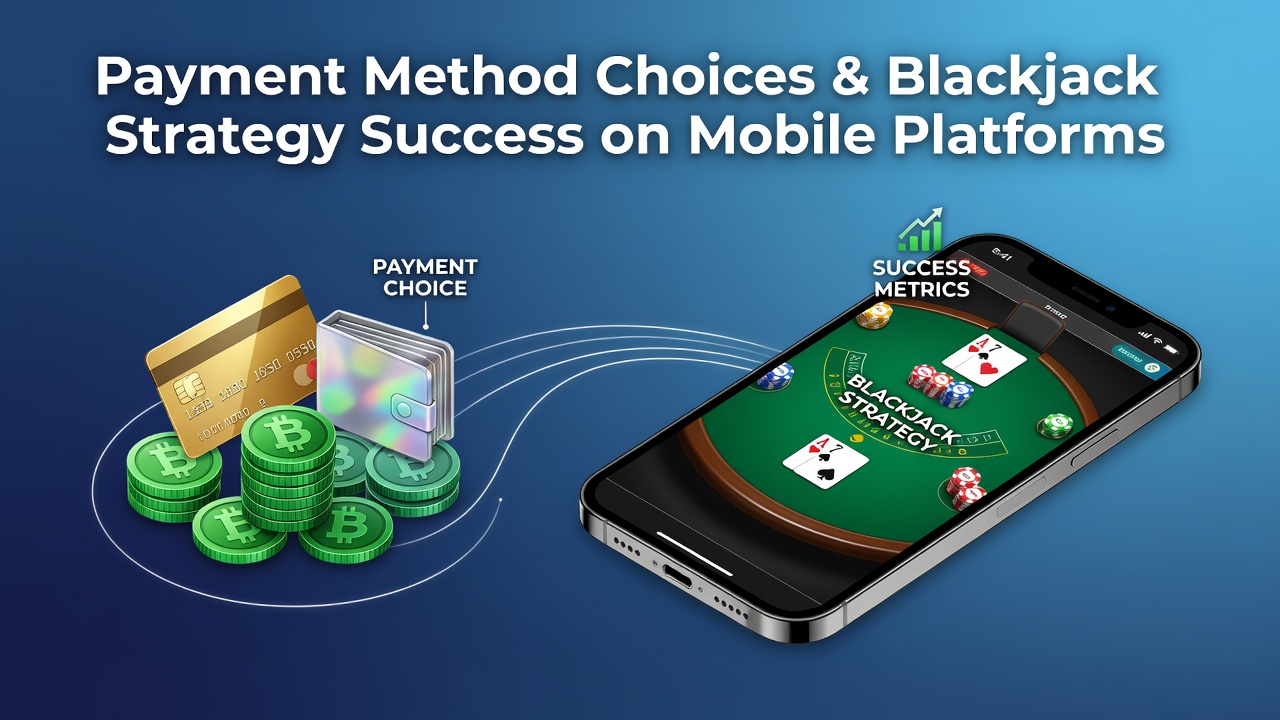
Data from industry reports indicates that mobile blackjack participation has expanded significantly since 2024, with transaction processing times emerging as a key factor in how players maintain betting systems during live sessions. Payment options now integrate directly with app interfaces, allowing seamless shifts between deposit methods and in-game decisions that support established strategies such as progressive betting or basic strategy charts.
Payment Methods Available on Mobile Blackjack Platforms
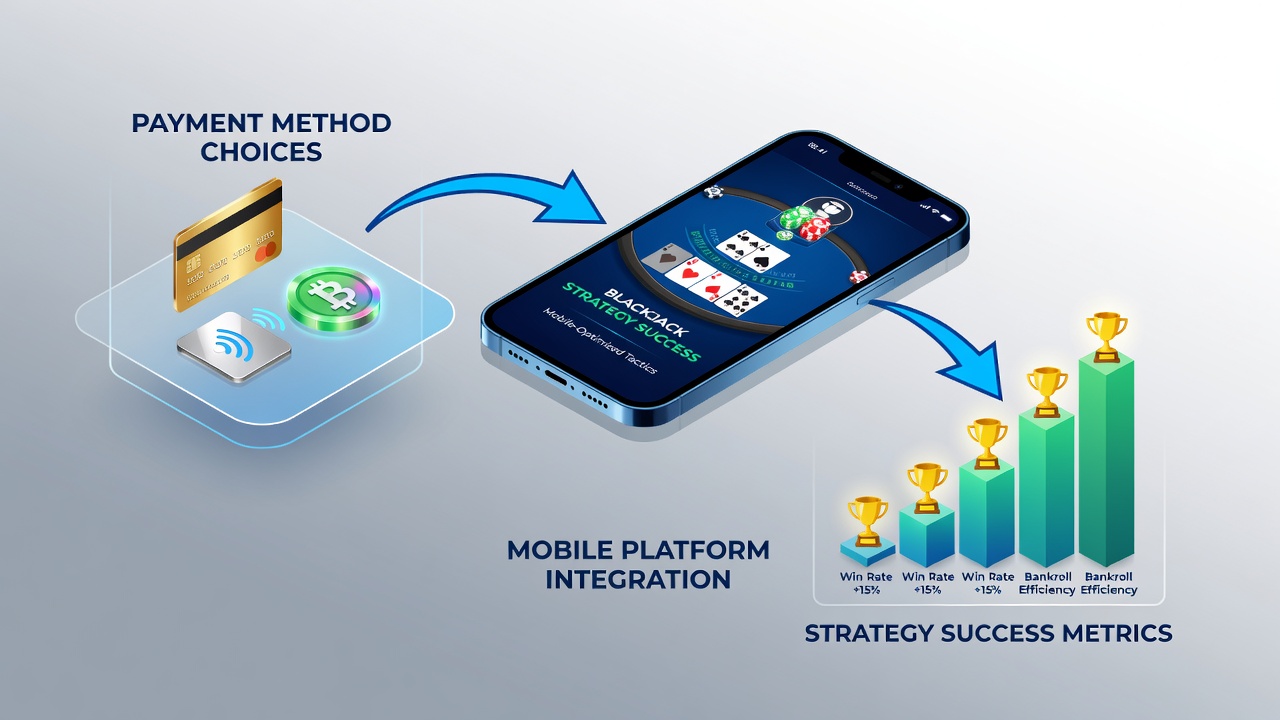
Common options include credit and debit cards, e-wallets like PayPal and Skrill, bank transfers, and cryptocurrency wallets, each carrying distinct processing durations and fee structures according to regulatory filings from bodies such as the Nevada Gaming Control Board. E-wallet transactions often complete in under 30 seconds on major platforms, whereas traditional bank transfers may require 1 to 3 business days, facts that influence session continuity for users adhering to time-sensitive bankroll management approaches.
Studies compiled by the American Gaming Association reveal that players using instant methods tend to execute more hands per hour, a pattern that aligns with mathematical models requiring consistent volume to realize long-term expected values in blackjack. Cryptocurrency options, meanwhile, provide near-instant confirmations in many jurisdictions, though volatility in coin values adds another variable tracked in recent academic analyses from institutions including the University of Las Vegas.
Transaction Speed and Its Influence on Strategy Adherence
Observers note that rapid deposit capabilities permit immediate adjustments to bet sizing when table minimums change or when players encounter favorable deck compositions mid-session. Slower methods can interrupt this flow, leading some participants to pause play and potentially deviate from predetermined wagering plans. Research published in 2025 by European gambling analytics groups shows correlations between instant funding and higher rates of strategy chart compliance across Android and iOS applications.
Fees associated with certain cards or wire services further affect net returns, as even small percentages compound over hundreds of hands and alter the effective house edge calculations central to card counting or hi-lo systems. Data aggregated through 2026 indicates that platforms offering fee-free e-wallet withdrawals help preserve capital allocated for doubling-down opportunities and insurance bets.
Security Features and Player Confidence in Mobile Settings
Encryption standards and two-factor authentication protocols differ across payment providers, with reports from the Australian Communications and Media Authority highlighting that robust verification reduces account lockouts that otherwise disrupt ongoing sessions. Players relying on methods with built-in fraud detection often report fewer interruptions, enabling sustained focus on pattern recognition and deviation charts essential to advanced play.
Regional variations appear in regulatory requirements, where Canadian provincial frameworks emphasize consumer protection measures that indirectly support strategy execution by minimizing downtime from verification delays. Integration of biometric logins on mobile devices further streamlines access to funded accounts, according to figures released in mid-2026 by international gaming technology consortiums.
Bonus Structures Tied to Specific Payment Choices
Many operators structure deposit bonuses around particular methods, such as percentage matches for e-wallet users or cashback on cryptocurrency transfers, details outlined in terms from operators compliant with oversight from bodies like the Malta Gaming Authority. These incentives can expand effective starting bankrolls, giving strategic players additional hands to work through negative variance periods without altering core betting progressions.
Withdrawal speed also factors into overall session planning, since delayed access to winnings may force conservative bet sizing on subsequent deposits even when positive deck counts warrant aggressive action. Industry statistics compiled through August 2026 demonstrate measurable differences in average bet sizes between users of instant versus delayed payout services.
Conclusion
Payment method selections intersect with mobile blackjack strategy through measurable impacts on transaction velocity, cost structures, and session continuity, as evidenced by regulatory data and platform analytics from multiple jurisdictions. Understanding these operational details allows players to align funding choices with the demands of their preferred systems, maintaining consistency across extended play periods on portable devices.