19 Aug 2026
Cryptocurrency Use Patterns Emerge Among Mobile Sports Bettors and Slot Players
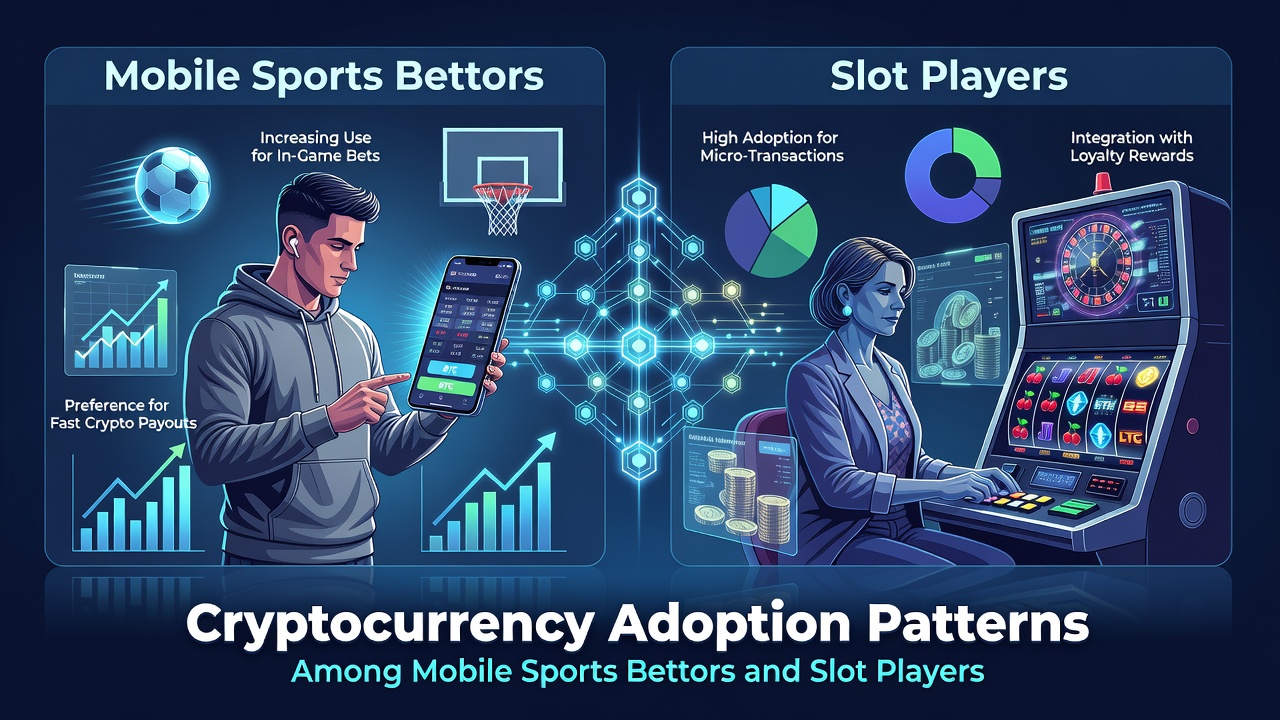
Digital currency integration continues to reshape how mobile users engage with sports betting platforms and slot games, and data collected through mid-2026 shows clear regional and behavioral distinctions. Observers note that transaction speed and privacy features drive much of the shift, while regulatory environments in different jurisdictions influence the pace of change. By August 2026 transaction volumes involving cryptocurrencies on mobile gambling applications had increased steadily in several markets, according to industry tracking services.
Behavioral Differences Between Sports Bettors and Slot Players
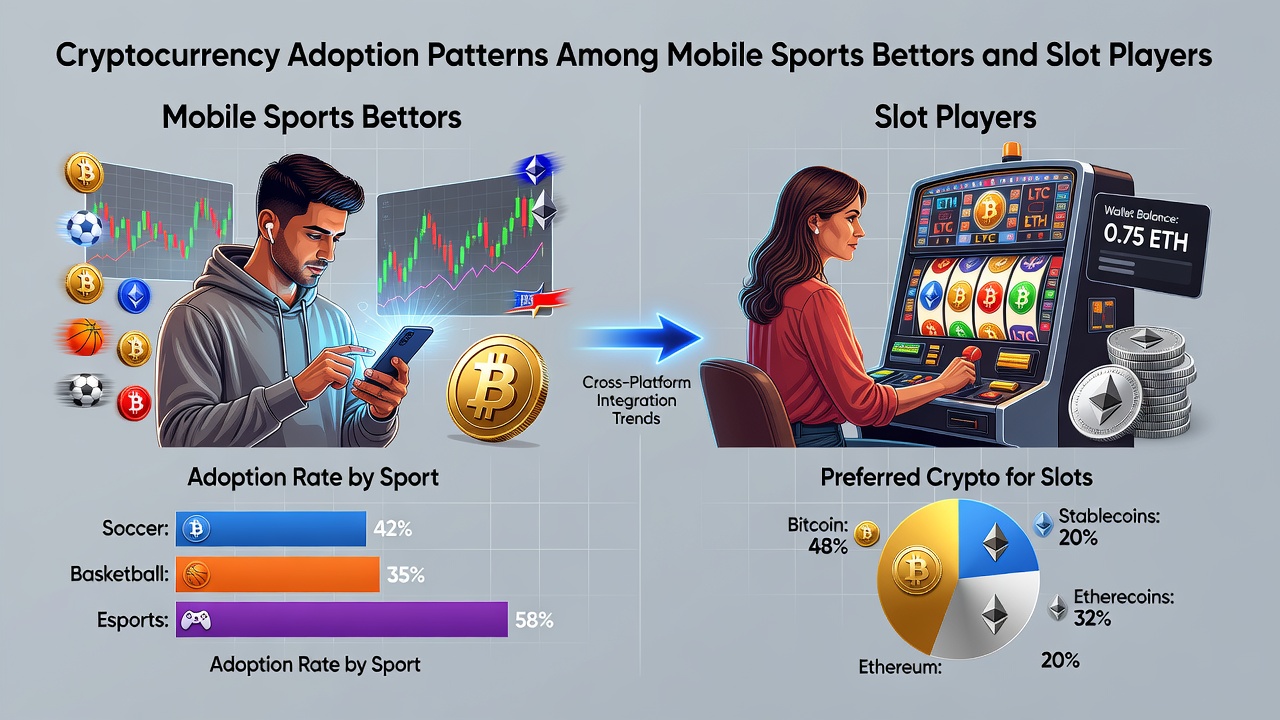
Mobile sports bettors tend to adopt cryptocurrency for in-play wagers because live events require quick deposits and withdrawals during short time windows, and blockchain networks often complete transfers within minutes compared with traditional banking rails that can take hours. Slot players, on the other hand, show higher usage during extended sessions where smaller, repeated deposits fit the rhythm of spinning reels, and many choose stablecoins to avoid price swings that could affect session bankrolls. Research from academic institutions indicates that sports bettors prioritize low fees on larger stakes, whereas slot enthusiasts focus more on seamless integration with app interfaces that allow one-tap top-ups.
Regional Variations in Adoption Rates
North American markets display faster uptake among younger demographics, particularly in states and provinces where mobile betting has expanded recently, while European operators report steadier but more moderate growth tied to stricter payment regulations. In Australia and parts of Asia, mobile slot applications see higher crypto penetration because local banking restrictions sometimes limit traditional methods, prompting users to explore alternatives. Figures from the American Gaming Association reveal that crypto-enabled mobile sessions accounted for a growing share of total handle in permitted jurisdictions during the first half of 2026, with sports betting leading the way over slots.
Transaction Preferences and Platform Features
Users frequently select Bitcoin and Ethereum for larger transfers, yet stablecoins such as USDT and USDC dominate smaller, frequent deposits common in slot play. Platforms that support multiple networks allow bettors to switch based on gas fees, and those who monitor network congestion often time their transactions accordingly. Mobile applications that embed wallet connectivity directly into the interface reduce friction, and data shows higher retention among accounts that complete their first crypto deposit within the first week of registration. Observers note that security features like multi-signature wallets and withdrawal whitelisting appear more frequently on sports betting apps than on pure slot platforms.
Regulatory Influences and Market Responses
Jurisdictions with clear licensing frameworks for digital assets tend to see smoother integration, whereas regions still developing rules experience slower rollout and occasional service disruptions. The European Gaming and Betting Association has documented how operators adapt compliance tools to track crypto flows without compromising user anonymity preferences. Mobile sports books often implement real-time conversion options that let users view balances in both crypto and local currency, reducing hesitation among those new to digital assets. Slot-focused operators, meanwhile, emphasize bonus structures that credit directly in the chosen cryptocurrency to maintain session momentum.
Security and User Education Trends
Incidents of wallet-related issues have prompted platforms to add in-app tutorials and two-factor authentication prompts before large withdrawals, and adoption metrics improve when these safeguards are clearly explained. Researchers tracking user behavior find that mobile bettors who receive step-by-step guidance during their first crypto transaction return more frequently than those who navigate the process alone. Sports betting apps have introduced educational pop-ups tied to major events, while slot platforms embed similar prompts during promotional periods. These measures coincide with broader industry efforts to address concerns around volatility and transaction finality.
Future Trajectory Based on Current Data
Continued expansion of mobile 5G networks and improved wallet interoperability point toward further integration, and operators continue to monitor regulatory developments across multiple continents. Patterns observed through August 2026 suggest that hybrid payment systems supporting both fiat and crypto will remain common, allowing users to choose based on immediate needs rather than committing exclusively to one method. As more jurisdictions finalize digital asset rules, the distinction between sports bettor and slot player preferences may narrow, yet the underlying drivers of speed, privacy, and cost are expected to persist across both segments.
Conclusion
Cryptocurrency adoption among mobile sports bettors and slot players follows distinct yet overlapping paths shaped by transaction requirements, regional regulations, and platform design choices. Data through 2026 indicates sustained growth in both categories, with sports bettors favoring rapid in-play transfers and slot players preferring stable, repeated deposits. Operators that align features with these preferences while meeting compliance standards continue to capture increasing shares of mobile activity, and the trajectory points to further refinement rather than reversal of current trends.