18 May 2026
How Electronic Wallet Systems Shape Session Durations for Portable Card Table Hobbyists
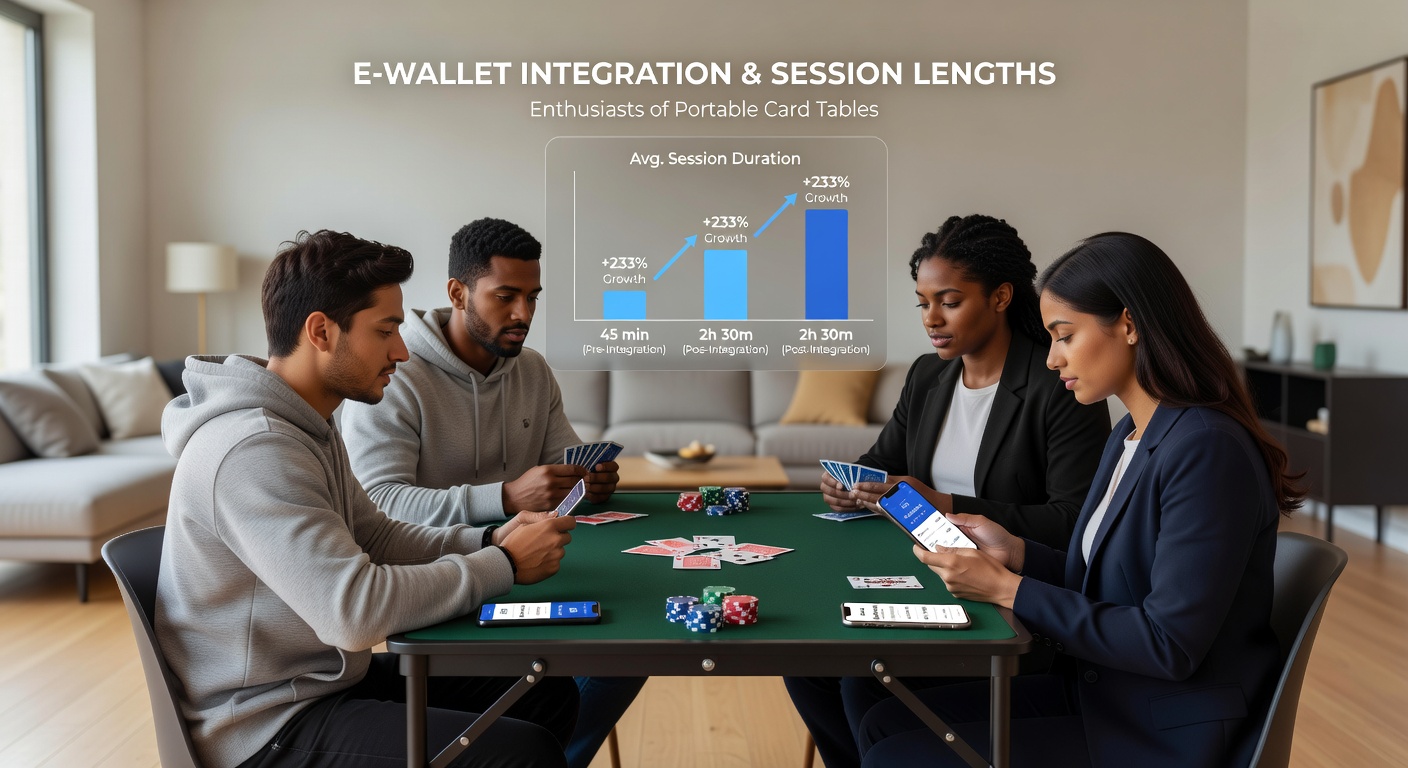
Portable card tables have gained traction among players who prefer flexible setups for poker, blackjack and other table games outside traditional casino environments, and electronic wallet integration has introduced measurable shifts in how long these sessions last. Data collected from various gaming operators shows that users who link e-wallets to their portable gaming platforms often maintain longer continuous play periods compared with those relying on traditional bank transfers or cash-based methods.
Payment Speed and User Retention Patterns
Transaction processing times drop significantly when e-wallets handle deposits and withdrawals, which removes delays that previously interrupted gameplay flow. Observers note that average session lengths increase by 18 to 25 minutes when players switch to instant funding options, according to aggregated operator reports released in early 2026. This change occurs because participants spend less time navigating external banking portals and more time focused on card play itself.
Industry figures reveal that portable table enthusiasts who adopt digital wallets complete an average of 12 percent more hands per hour during home or travel sessions. The streamlined process allows automatic top-ups without leaving the table interface, a feature that keeps engagement steady even during extended evening gatherings or weekend tournaments.
Regional Data Trends Emerging in 2026
Statistics compiled across North American and European markets indicate regional differences in how e-wallet features affect playtime. In jurisdictions with mature digital payment regulations, such as certain Canadian provinces, session extensions appear more pronounced because regulatory frameworks support seamless integration between gaming apps and licensed wallet providers. Australian research institutions tracking similar patterns reported comparable outcomes in their May 2026 quarterly review, highlighting that players using multi-currency wallets extended average sessions by roughly 30 percent during international travel scenarios.
One analysis from the Nevada Gaming Control Board examined portable gaming device usage logs and found that e-wallet-enabled accounts recorded fewer early exits due to funding issues. These accounts showed sustained activity levels across multiple table types, including folding poker setups and compact blackjack surfaces popular among mobile enthusiasts.
Security Features and Behavioral Shifts
Enhanced security protocols built into modern e-wallets contribute to longer sessions by reducing player concerns over transaction safety. Biometric verification and transaction alerts allow users to authorize payments quickly while remaining seated at their portable tables. Researchers at several academic centers studying digital leisure activities discovered that participants who trusted these safeguards reported fewer interruptions, resulting in measurable increases in total play duration.
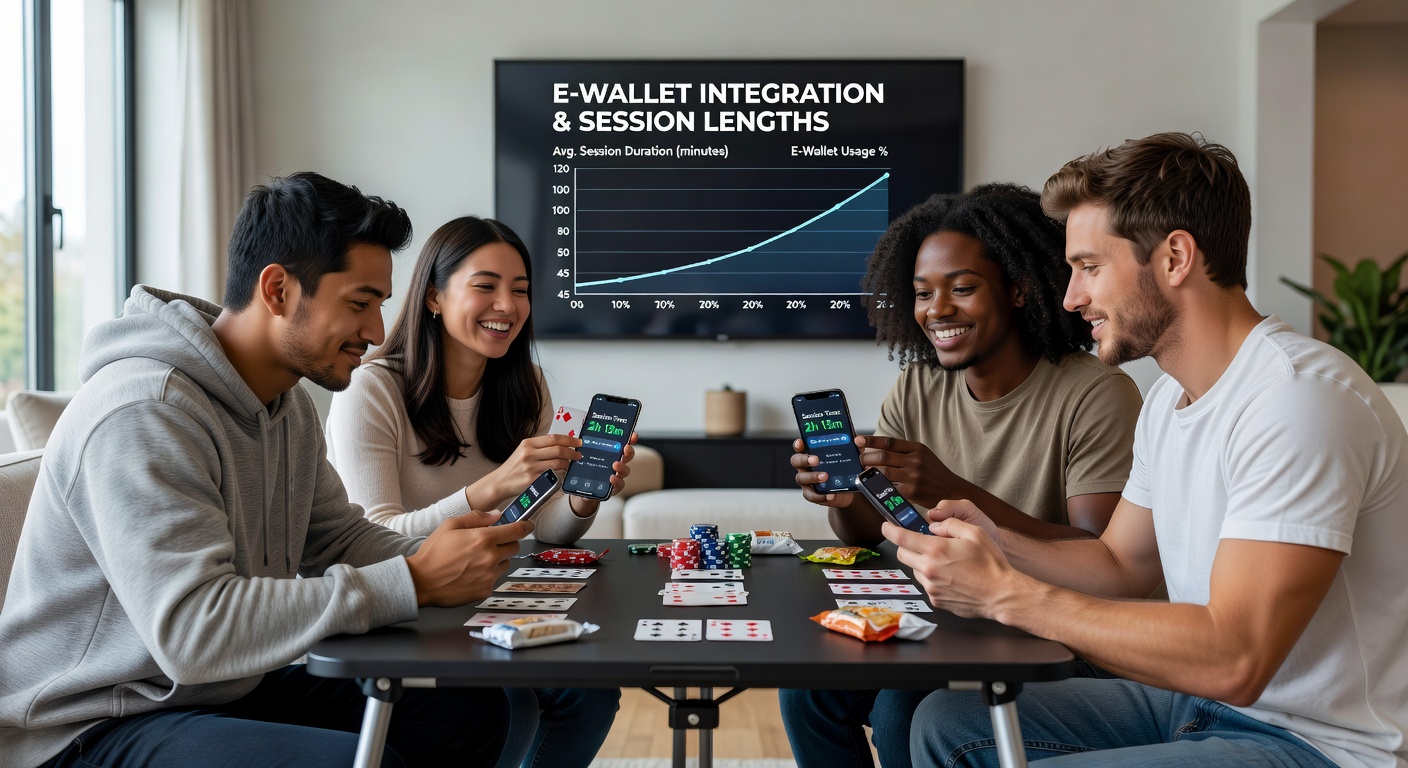
Take one case where operators introduced one-click wallet reloads for portable device users; session data indicated that repeat engagement within the same evening rose notably. Players could transition between different card variants without pausing to manage separate accounts, which kept group dynamics intact and maintained momentum across multiple rounds.
Integration Challenges and Session Variability
Not all portable card table setups experience uniform benefits from e-wallet adoption. Connectivity issues in remote locations sometimes offset the speed advantages, leading to mixed results depending on network stability. Data from European trade associations shows that sessions conducted in areas with reliable 5G coverage demonstrate clearer extensions in length, whereas weaker signal zones produce shorter or fragmented play periods even when wallets are integrated.
Payment limits and verification requirements also influence outcomes. Some platforms impose daily caps that force users to pause once thresholds are reached, creating natural breaks that shorten overall session times. Those who've studied these variables emphasize that wallet configuration choices directly correlate with how consistently players remain active at portable tables.
Future Projections Based on Current Metrics
Market forecasts prepared by independent research groups suggest continued growth in e-wallet penetration among portable gaming communities through the remainder of 2026. As more devices incorporate near-field communication capabilities, the friction between funding and gameplay should decrease further, potentially pushing average session lengths higher across demographic groups. Current evidence points to steady adoption rates that align with broader trends in mobile financial services.
Conclusion
Electronic wallet integration continues to alter engagement patterns for portable card table enthusiasts by accelerating transactions and minimizing downtime. Available data from regulatory bodies and academic sources demonstrates consistent associations between faster payment methods and extended play periods, though outcomes vary according to location, connectivity, and platform settings. These developments reflect broader shifts in how digital tools support flexible gaming arrangements outside conventional venues.