18 Jul 2026
Inside the Flow of Funds: Payment Choices Fueling Portable Gambling Adventures
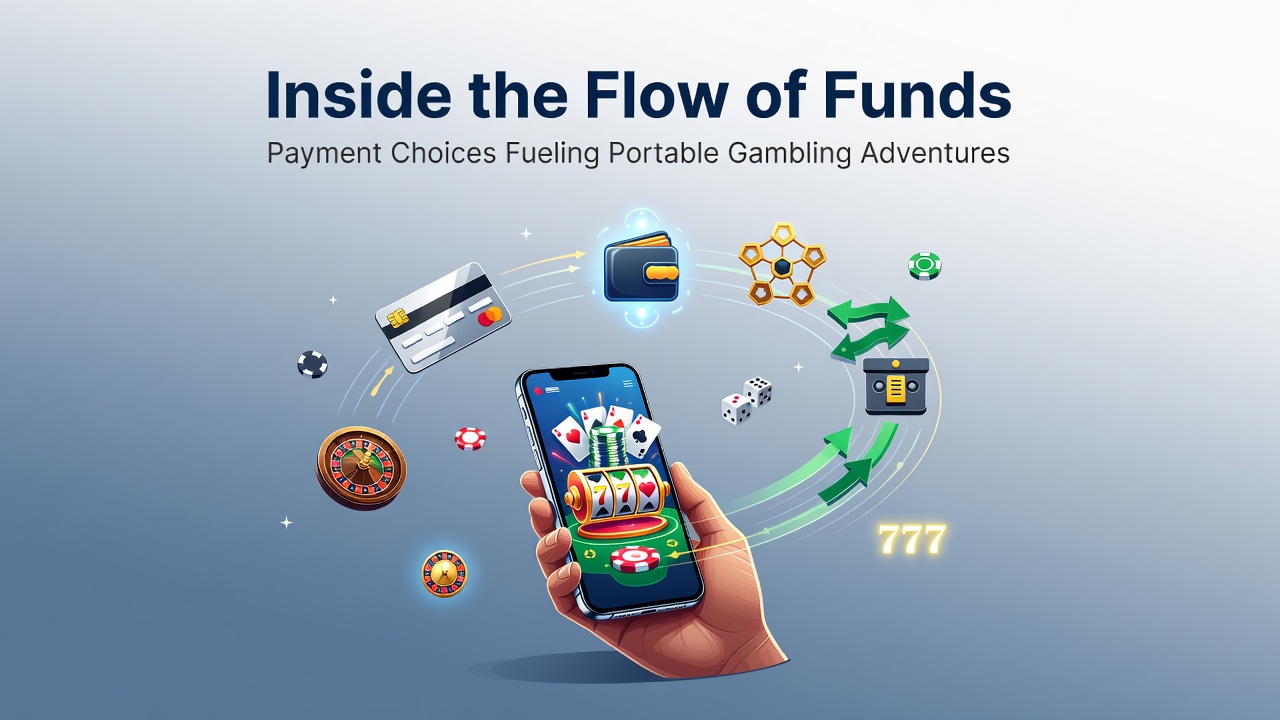
Portable gambling has expanded rapidly because payment systems now support seamless transactions across devices, and users can move funds instantly between accounts while traveling or during short breaks. Observers note that the shift toward mobile-first platforms has pushed operators and payment providers to refine their options so that deposits and withdrawals happen without delays that once interrupted play sessions.
Data from regulatory bodies shows that transaction speeds and fee structures determine which methods gain traction among users who rely on smartphones rather than desktop computers. As of July 2026, several jurisdictions have updated licensing rules that require clearer disclosure of processing times for each payment type, which in turn influences how providers market their services to mobile audiences.
Core Payment Categories in Mobile Environments
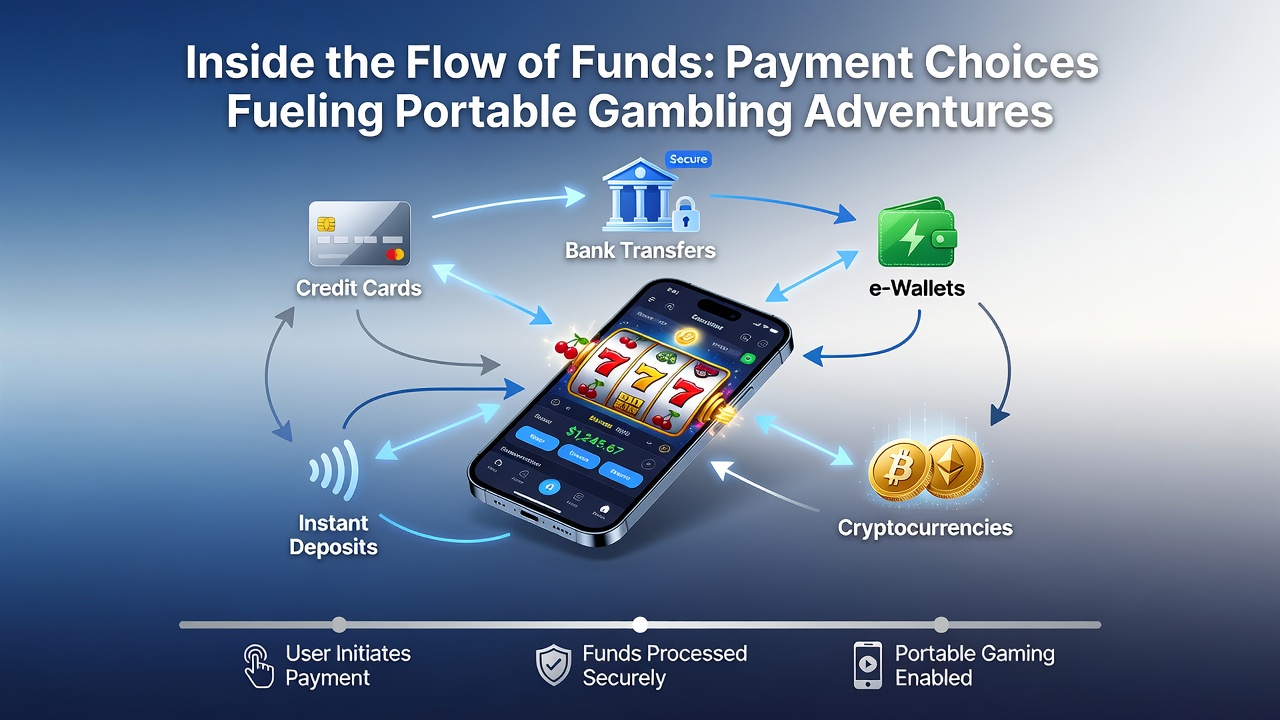
Traditional card networks remain widely used because most users already carry linked debit or credit accounts, yet these options sometimes trigger additional verification steps that slow down portable sessions. E-wallets such as those offered by established digital finance companies allow stored balances to transfer within seconds, and they often integrate directly with mobile operating systems through quick authentication methods like biometrics.
Bank transfers provide another route that appeals to users managing larger amounts, although settlement periods can stretch across multiple business days unless instant variants are selected. Prepaid cards and vouchers serve players who prefer to set strict spending limits in advance, and these methods frequently appear in markets where operators must comply with strict responsible gambling mandates.
How Cryptocurrency Integrations Alter Transaction Flows
Cryptocurrency wallets have gained measurable adoption in regions where local banking restrictions once limited options, and blockchain confirmations now complete in under ten minutes on several networks. Researchers at academic institutions tracking digital asset usage report that volatility concerns have prompted some platforms to offer stablecoin alternatives that maintain value parity during the brief window between deposit and withdrawal.
Those who study user behavior note that privacy features embedded in certain coins attract participants who want transaction histories kept separate from traditional banking records. Regulatory updates in North American and Australian markets during 2026 have begun to require operators to report cryptocurrency volumes separately, which gives analysts clearer pictures of how these flows compare with fiat methods.
Security Protocols and Regulatory Oversight
Payment providers implement tokenization and encryption layers that protect card details even when users switch between Wi-Fi networks during commutes or travel. Multi-factor authentication has become standard across most licensed platforms, and data from government agencies indicates that fraud rates drop when operators enforce these steps consistently.
According to reports published by the Nevada Gaming Control Board, mobile transaction monitoring systems flagged fewer suspicious activities after enhanced verification rules took effect in early 2026. Similar patterns appear in Victoria where the Responsible Gambling Foundation tracks cross-border payment attempts and publishes quarterly summaries that operators consult when adjusting their compliance frameworks.
Regional Variations in Preferred Methods
European markets show higher uptake of instant bank transfer solutions that bypass card networks entirely, while North American users lean toward integrated mobile wallet apps already installed on their devices. In Australia, prepaid voucher systems remain popular in remote areas where reliable internet connections can fluctuate, allowing players to load funds offline and redeem them later.
Observers tracking July 2026 figures note that cross-border operators now offer region-specific default methods based on local banking infrastructure and tax reporting requirements. These tailored approaches reduce failed transactions and keep users engaged longer because the chosen payment route matches familiar local habits.
Future Trajectory of Mobile Payment Integration
Emerging technologies such as embedded finance features within smartphone operating systems promise even tighter integration between gambling accounts and everyday banking apps. Industry reports indicate that partnerships between payment processors and device manufacturers will likely expand the range of one-tap deposit options available by late 2026.
Analysts expect continued refinement of fee transparency rules across multiple jurisdictions, which should give users clearer comparisons when selecting methods for portable sessions. The result is a payment landscape that continues to evolve alongside device capabilities rather than lagging behind them.
Conclusion
Payment choices directly shape how portable gambling operates because speed, security, and accessibility determine whether users complete transactions without friction. Regulatory developments through mid-2026 have standardized disclosure requirements that help participants understand processing times and costs associated with each option. As platforms adopt newer integrations and regional rules mature, the flow of funds across mobile networks will keep pace with user expectations for immediate, reliable movement of money between accounts and gaming environments.