22 Jul 2026
Layered Defenses Safeguarding Instant Payouts in Gaming Payment Networks
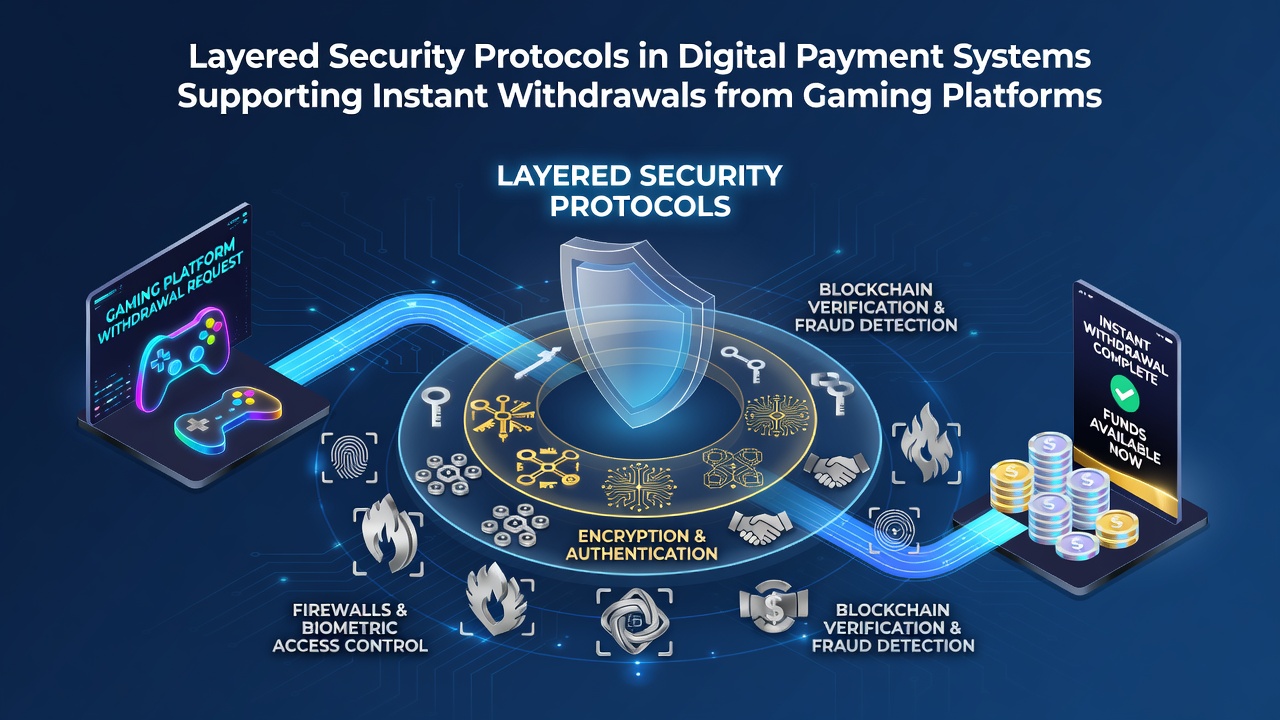
Digital payment systems that process instant withdrawals from gaming platforms rely on multiple overlapping security protocols to maintain transaction integrity while meeting speed requirements; these frameworks combine encryption standards, authentication layers, and monitoring systems that operate simultaneously rather than sequentially. Data from payment processors shows that single-point defenses leave gaps that sophisticated threats can exploit, which explains why operators deploy concentric protections including tokenization, behavioral analytics, and hardware-backed key management.
Core Components of Multi-Layer Architectures
Encryption forms the foundation of these systems, with end-to-end protocols such as TLS 1.3 securing data in transit while AES-256 protects stored information; yet encryption alone cannot address account takeover risks, so operators add multi-factor authentication that incorporates device fingerprinting alongside one-time codes delivered through separate channels. Research indicates that combining these methods reduces unauthorized access attempts by significant margins according to figures released by the Monetary Authority of Singapore in its 2025 digital finance review.
Tokenization replaces sensitive card or account details with unique identifiers that hold no value if intercepted, and this technique integrates with real-time risk scoring engines that evaluate transaction velocity, geographic patterns, and user behavior against historical baselines. When anomalies appear, systems trigger additional verification steps without halting legitimate withdrawals that meet predefined criteria, allowing platforms to deliver funds within seconds rather than minutes.
Regulatory and Technical Standards in Practice
Payment service providers must align with frameworks such as the Payment Card Industry Data Security Standard alongside regional requirements that emphasize continuous monitoring; the European Central Bank published updated guidelines in early 2026 that stress the importance of dynamic authentication for high-velocity environments including gaming payouts. Those guidelines highlight how layered approaches satisfy both security mandates and consumer expectations for immediacy, particularly as withdrawal volumes increased during the first half of 2026.
Artificial intelligence models contribute another layer by scanning transaction streams for fraud indicators that static rules might miss, and these models update continuously based on emerging patterns observed across global networks. Observers note that such adaptive systems proved effective during coordinated testing exercises conducted by Australian financial regulators in mid-2026, where simulated attacks failed to breach platforms using combined machine learning detection with cryptographic signing of withdrawal requests.
Integration Challenges and Operational Realities
Instant withdrawal functionality demands that security checks complete within tight time windows, which requires optimized infrastructure capable of parallel processing across authentication, fraud scoring, and compliance modules. Gaming operators often partner with specialized payment gateways that maintain redundant data centers to prevent single points of failure, and these arrangements incorporate automated failover protocols that maintain session continuity even during localized disruptions.
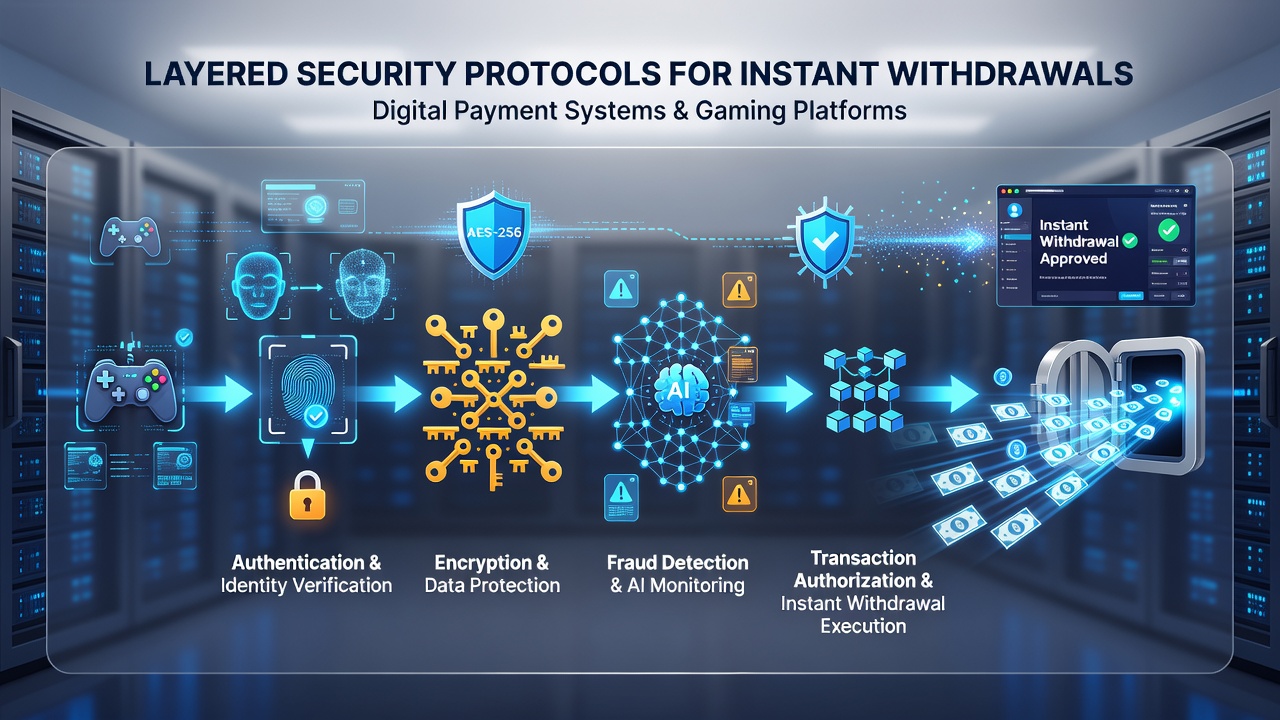
Hardware security modules store cryptographic keys in tamper-resistant environments, adding physical protection that complements software-based controls; financial institutions handling gaming-related volumes report that this combination satisfies audit requirements from bodies such as the Financial Transactions and Reports Analysis Centre of Canada while supporting sub-second authorization times. Case studies from platform operators show that withdrawal approval rates remain high when these layered systems distinguish between routine player activity and suspicious patterns without introducing noticeable delays.
Future Developments and Industry Trends
Emerging technologies including quantum-resistant algorithms and decentralized identity frameworks are entering testing phases for payment networks, with pilot programs scheduled through late 2026 to evaluate compatibility with existing instant withdrawal pipelines. Industry reports from research institutions indicate that early adoption focuses on supplementing rather than replacing current layers, preserving backward compatibility for the millions of daily transactions processed across gaming ecosystems.
Collaboration between gaming platforms, payment processors, and regulatory authorities continues to refine these protocols through shared threat intelligence platforms, allowing faster responses to novel attack vectors. Data shared through such networks reveals that coordinated defenses have lowered successful fraud rates across participating jurisdictions compared with isolated implementations.
Conclusion
Layered security protocols enable gaming platforms to offer instant withdrawals while addressing the complex threat landscape surrounding digital payments, and ongoing refinements driven by regulatory updates and technological advances ensure these systems evolve alongside emerging risks. The integration of encryption, authentication, analytics, and hardware protections creates resilient architectures that support both operational speed and compliance obligations across multiple regions.