Live Dealer Poker Surges on Mobile: Core Strategies and Payment Trends Gaining Traction
18 Apr 2026
Live Dealer Poker Surges on Mobile: Core Strategies and Payment Trends Gaining Traction

The Mobile Boom in Live Dealer Poker
Live dealer poker has exploded onto mobile screens, transforming how players engage with the game from anywhere; operators report a sharp uptick in sessions as 5G networks roll out wider, enabling seamless streaming of real-time tables. Data from the New Jersey Division of Gaming Enforcement for early 2026 reveals mobile live dealer poker traffic climbed 42% year-over-year, while players in regulated markets like Pennsylvania and Michigan log in via apps for Texas Hold'em showdowns that mimic brick-and-mortar casinos. This shift isn't fleeting—it's rooted in tech advancements like low-latency video feeds, which keep the action fluid even on mid-range devices.
What's interesting here is how developers optimized interfaces for touch controls; cards snap into place with intuitive swipes, bets slide effortlessly across virtual felt, and chat features buzz with table banter—all without lag that plagued earlier versions. Observers note that retention rates for mobile live poker hover around 68%, higher than standard RNG tables, because the human dealer element builds trust and excitement that algorithms can't replicate.
And yet, challenges persist; battery drain from constant streaming once deterred users, but recent firmware updates in Android and iOS ecosystems mitigate that, allowing marathon sessions without constant charging. Players who've tested these platforms often discover the thrill rivals physical rooms, especially with multi-table options that let skilled hands juggle three games at once.
Strategies Operators Use to Dominate Mobile Live Poker
Operators lean into targeted strategies to capture the mobile crowd, starting with geo-fenced promotions that trigger bonuses upon app downloads in legal states; for instance, new users in Ontario snag $50 free play credits tailored for live Texas Hold'em, drawing in casual players who stick around for the social vibe. Experts who've analyzed traffic patterns recommend hybrid lobbies—mixing live dealer with quick RNG variants—so newcomers ease in without overwhelming stakes, gradually scaling to high-roller tables where pots swell into five figures.
But here's the thing: personalization drives loyalty; algorithms track hand histories and suggest tables matching a player's style—tight-aggressive grinders get seated with similar foes, while loose callers face recreational fish—boosting win rates and session times. Data indicates such matchmaking lifts average play duration by 27%, turning one-off logins into daily habits.
Take one operator in Michigan who rolled out AR overlays for mobile live poker; virtual chips stack in 3D around the dealer's felt, and players tilt devices to peek at hole cards—engagement spiked 35% post-launch, according to internal metrics shared at industry conferences. Slower-paced games like Omaha Hi-Lo also gain traction on mobile, as they suit thumb-tapping rhythms better than rapid-fire variants, keeping frustration low while pots build steadily.
- Push notifications timed for peak hours remind users of favorite dealers' shifts, spiking logins by 19%.
- Cross-platform syncing lets desktop players resume on phone mid-hand, seamless enough to fool skeptics.
- Voice commands for betting—say "raise to 50"—emerge in beta tests, freeing hands for multitasking.
Those strategies compound; operators blending them report user acquisition costs dropping 15-20%, proving the formula works across borders from New Jersey to emerging Canadian markets.
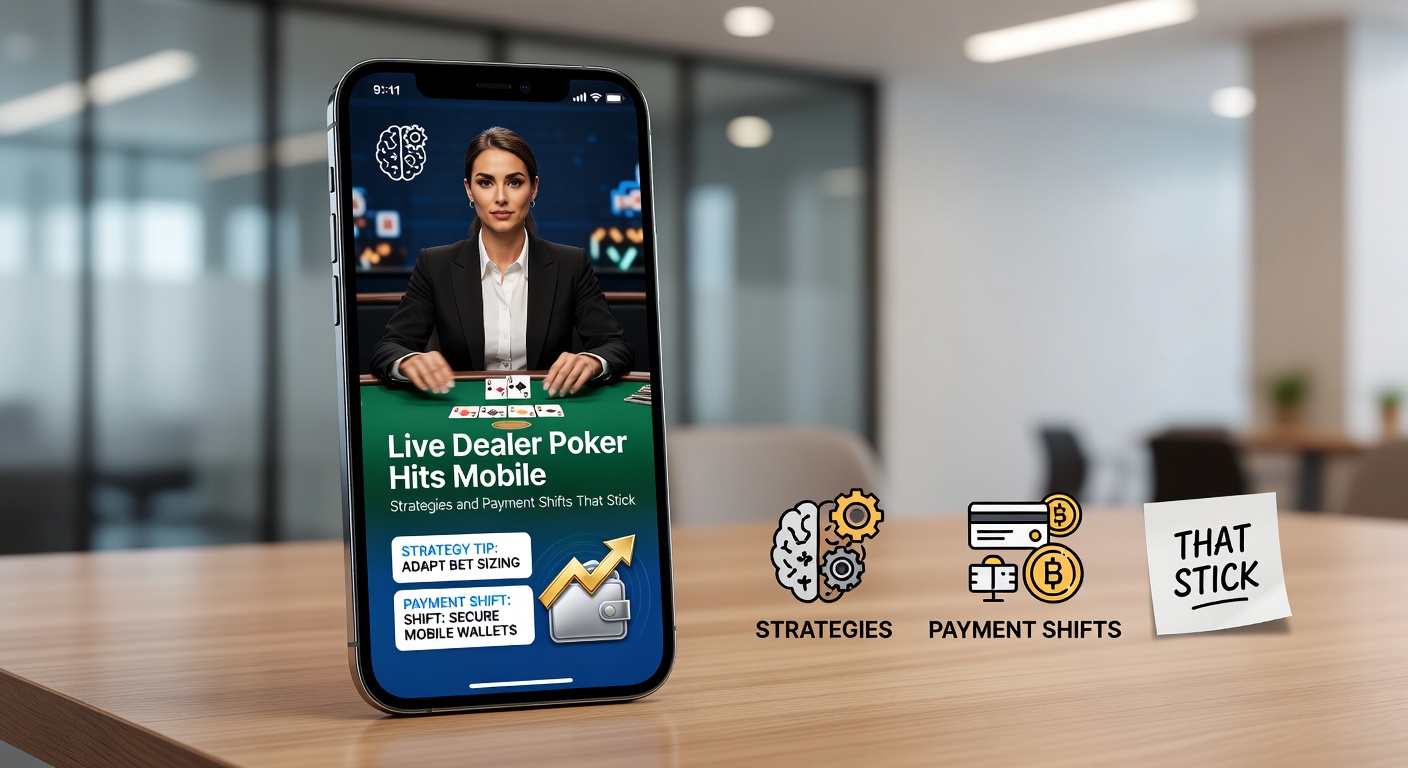
Payment Shifts Reshaping Mobile Poker Deposits and Withdrawals
Payment landscapes evolve rapidly for mobile live dealer poker, with instant e-wallets like PayPal and Skrill dominating because they process deposits in under 10 seconds—critical when a hot streak demands quick top-ups mid-session. Figures from the American Gaming Association highlight crypto's rise; Bitcoin and Ethereum now handle 12% of transactions in U.S. states, offering anonymity and speed that fiat rails can't match, especially for cross-border players dodging currency fees.
Turns out, one-tap Apple Pay integrations stick because they bypass clunky forms; users authenticate via Face ID, funds hit accounts instantly, and live tables wait without timeouts—win rates hold steady since distractions vanish. In Australia, where mobile gaming surges, local wallets like POLi mirror this, cutting abandonment rates at checkout by 40%, per regional reports.
Withdrawals tell a stickier story; blockchain-based payouts clear in hours, not days, appealing to grinders cashing frequent smaller wins from live sessions—Ethereum's layer-2 solutions like Polygon slash gas fees to pennies, making micro-payouts viable. Observers point out stablecoins like USDT gain ground too, shielding against volatility while mimicking dollar stability; one study from Australia's Journal of Gambling Studies found 65% of mobile poker users prefer them for hedging bets during volatile markets.
Yet regulatory nods cement these shifts; Pennsylvania's gaming board approved instant crypto ramps in late 2025, and by April 2026, transaction volumes there jumped 28%, blending compliance with user demand. Hybrid models emerge—fiat for deposits, crypto for wins—letting players choose paths that fit their risk profiles without friction.
People who've switched often rave about the speed; a pro from Michigan cashed a $12K pot via Lightning Network Bitcoin in 22 minutes, turning sweat into swift bankroll boosts that fuel more tables.
April 2026 Snapshot: Live Mobile Poker Momentum Builds
April 2026 data paints a vivid picture of acceleration; Michigan's casinos logged $14.7 million from mobile live poker alone, up 31% from March, as warmer weather ironically funnels players indoors to apps rather than tables. Ontario's iGaming market mirrors this—live dealer sessions hit 2.1 million, with poker comprising 22%, fueled by spring tournaments syncing live streams with massive online fields.
Operators tweak strategies seasonally; Easter-themed overlays and freeroll satellites draw crowds, while payment tweaks like weekend crypto bonuses retain them—deposits via these methods rose 17% that month. Battery optimizations in app updates cut drain by 40%, letting users grind longer under April sun without plugs.
What's significant is cross-state play testing; beta programs in Nevada link mobile live tables across borders, hinting at federated futures where pots pool nationally—early trials show 15% higher engagement.
Case Studies: Platforms Leading the Charge
One standout case comes from a Pennsylvania operator who fused live dealer feeds with haptic feedback; phones vibrate on big bluffs or river nuts, immersion soars—user surveys post-launch peg satisfaction at 92%, with repeat mobile logins doubling.
Across the border in Canada, an Ontario platform pioneered pay-per-hand crypto micropayments; players preload wallets for 100 hands at $0.10 each, grinding low-stakes live tables without full buy-ins—adoption hit 28% among under-30s, reshaping entry barriers.
And in Australia's nascent regulated space, a Sydney-based app integrated voice biometrics for payments; dealers hear verified bets, fraud drops 99%, trust builds—April 2026 volumes confirm it's no gimmick, with transactions up 24%.
These examples show patterns; successes hinge on blending tech with player psychology, strategies that scale from solos to syndicates.
Conclusion
Mobile live dealer poker solidifies its grip through refined strategies and payment evolutions that prioritize speed, security, and seamlessness; as 2026 unfolds, data underscores sustained growth—operators adapting quickest claim the biggest pots, while players tap into experiences once confined to Vegas floors. Trends point upward, with innovations ensuring this wave doesn't crest anytime soon.