20 May 2026
Mapping Digital Payment Flows in Live Dealer Casino Applications and Blackjack Decision Patterns

Live casino applications now route player funds through multiple digital channels before those same funds reach blackjack tables, and transaction records collected along the way have started to shape the options presented to users during active sessions. Payment gateways, wallet integrations, and in-app ledgers create traceable sequences that operators monitor in real time, allowing adjustments to bet limits, bonus triggers, and table suggestions that appear while cards are being dealt.
Payment Routing Structures Inside Live Casino Platforms
Modern apps connect deposits from bank transfers, e-wallets, and instant banking services into a single ledger that updates every few seconds. Each route carries metadata such as processing speed, fee structure, and verification level, and these details become visible to backend systems that flag patterns in how quickly players move from deposit confirmation to table entry. Operators record the time between successful funding and the first blackjack hand, then compare that interval against average session data gathered across thousands of accounts.
Studies compiled by the New Jersey Division of Gaming Enforcement show that sessions initiated through instant e-wallet transfers tend to feature earlier placement of larger opening bets compared with sessions funded by standard bank transfers that require additional confirmation steps. The difference appears in aggregate logs rather than individual profiles, yet the pattern holds across multiple months of collected figures.
Real-Time Data Influence on Table Selection and Bet Sizing
Once funds sit inside an active balance, algorithms examine prior transaction history to surface table recommendations that match observed spending velocity. A player whose recent deposits cleared within seconds may receive prompts for higher-limit blackjack rooms, while accounts showing slower funding cycles receive suggestions for lower-stake tables that extend playtime. These prompts appear as selectable tiles inside the app interface and update dynamically as new transaction events register.
Researchers at the University of Nevada, Las Vegas tracked similar variables across a sample of mobile blackjack users during early 2026 and documented shifts in average bet size that aligned with the type of payment method used at the start of each session. Faster-cleared deposits correlated with quicker progression through betting tiers, whereas delayed clearances corresponded to more conservative initial wagers that remained stable for longer stretches of hands.
Session Logging and Adjustment Mechanisms
Transaction pathways also feed into session-duration controls that operators adjust to maintain regulatory compliance and platform liquidity targets. When logs indicate repeated small deposits followed by rapid table exits, systems sometimes alter the visibility of side-bet options or reduce the frequency of insurance prompts during blackjack rounds. These changes occur without direct player input and rely entirely on the sequence of ledger events captured since the current balance was established.
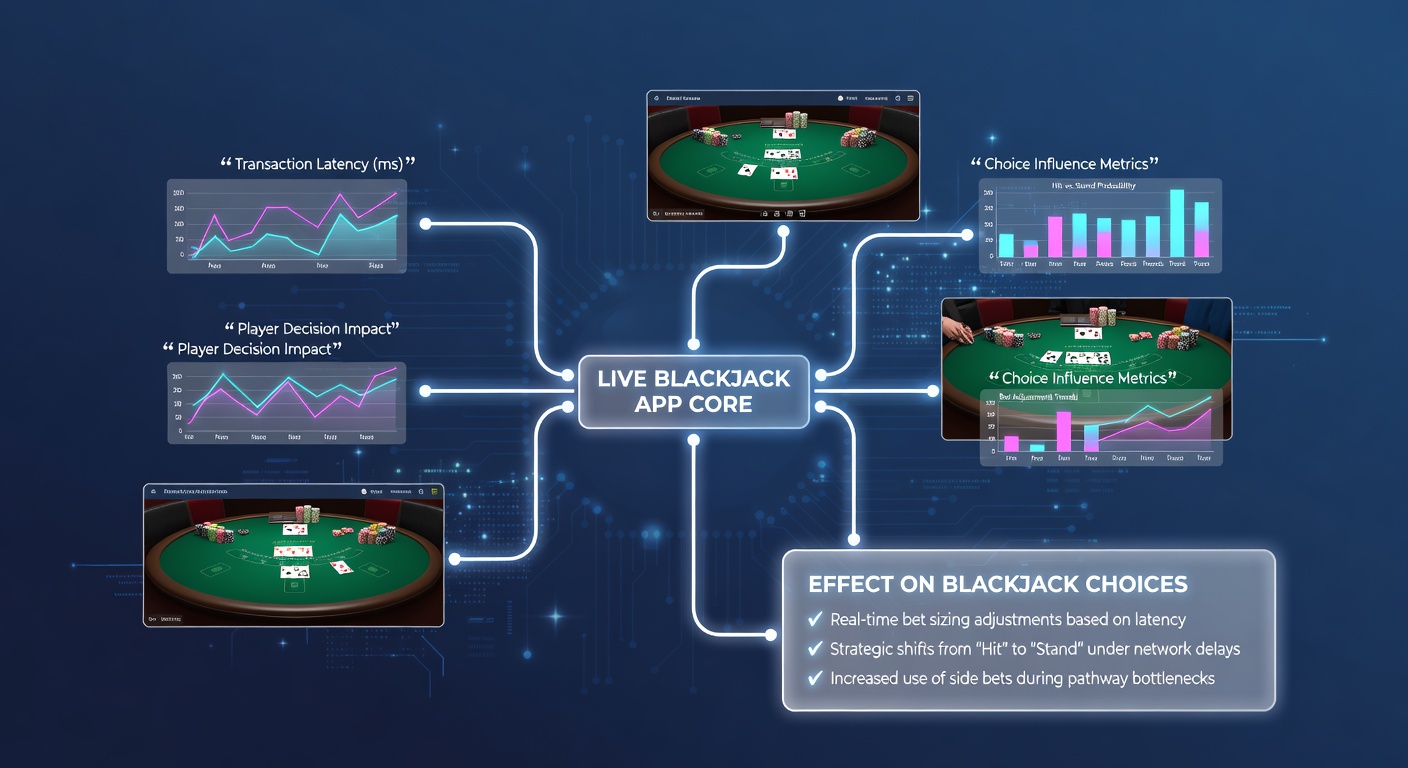
Data collected through May 2026 by several North American regulatory bodies indicates that platforms using continuous pathway monitoring recorded a measurable redistribution of player activity across table stakes. Lower-stake rooms absorbed more volume from accounts with fragmented deposit histories, while premium tables drew increased traffic from accounts whose funding arrived through single, high-value transfers. The redistribution shows up in monthly turnover reports rather than in any one user's visible menu.
Regulatory Reporting Requirements and Data Retention
Jurisdictions that license live casino apps require operators to retain transaction pathway records for set periods so that external audits can verify fair play and responsible gaming safeguards. Canadian provincial regulators, for instance, mandate storage of metadata that links deposit origin, clearance time, and subsequent game selections for at least three years. Similar rules in Australian states focus on the same data points yet apply shorter retention windows tied to active account status.
These stored records allow analysts to reconstruct sequences that connect a specific payment route to the exact moment a player increased or decreased wager size during a blackjack shoe. Because the reconstruction relies on timestamped ledger entries rather than subjective recall, the resulting statistics carry high granularity and support cross-platform comparisons.
Conclusion
Transaction pathways inside live casino applications continue to supply operators with granular signals that influence which blackjack options appear and how betting parameters adjust during play. Regulatory datasets released through spring 2026 confirm consistent correlations between funding routes and observed decision patterns, while academic reviews supply additional context on how those patterns distribute across different player cohorts. The combination of real-time monitoring and archived logs now forms a core component of how mobile blackjack environments respond to individual transaction histories.