15 Jul 2026
Mapping Encrypted Routes in Mobile Live Dealer Blackjack Transactions
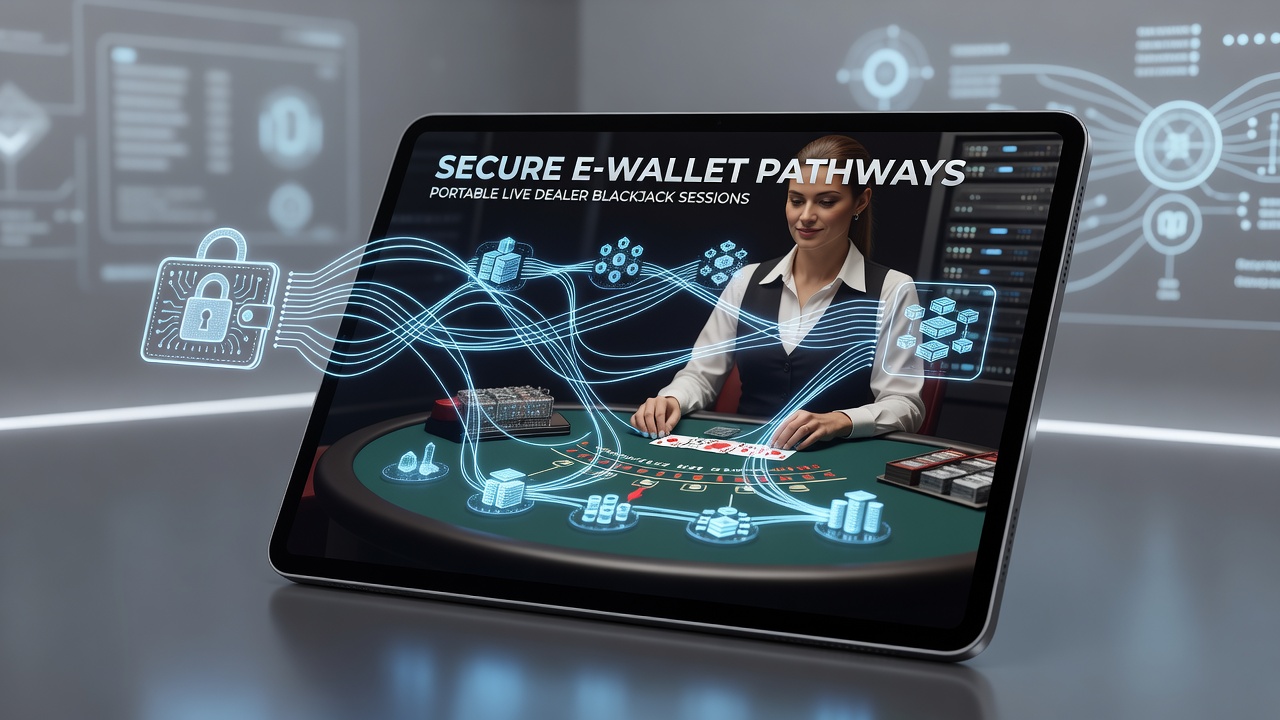
Portable live dealer blackjack sessions rely on e-wallet systems that route funds through multiple encryption layers before reaching game servers, and tracing these pathways reveals how digital payments maintain integrity across mobile networks. Operators integrate tokenization methods that replace sensitive card details with unique identifiers, while session data flows through secure sockets that prevent interception during real-time play.
Core Components of E-Wallet Pathways
Digital wallets connect to live dealer platforms via API endpoints that authenticate each transaction before funds transfer to the gaming environment, and these connections often incorporate multi-factor verification that combines device biometrics with one-time passcodes. Data packets travel from the user's smartphone through carrier networks to payment processors, where algorithms validate balances and execute transfers in milliseconds to support uninterrupted blackjack rounds.
Encryption Standards in Transit
Transport Layer Security protocols encrypt information at the packet level, and financial institutions layer additional AES-256 encryption on top to safeguard routing details from the wallet to the operator's backend. Researchers at various academic institutions have documented how these combined layers reduce exposure points during portable sessions that span public Wi-Fi and cellular connections alike.
Observers note that pathway tracing tools allow compliance teams to follow transaction hashes from initiation through settlement, and this visibility supports audits that verify no funds deviate from intended routes. In July 2026 regulatory updates across multiple jurisdictions began requiring real-time logging of these hashes for all mobile blackjack activity, which gave oversight bodies clearer views into payment flows without disrupting player experiences.
Regional Regulatory Frameworks Shaping Pathways
Authorities in Canada, including those overseeing iGaming Ontario, have established standards that mandate specific routing protocols for e-wallets used in live dealer environments, and these rules require operators to maintain segregated accounts that isolate player funds during active sessions. Similar requirements appear in Australian state regulations, where data localization rules dictate that certain transaction records remain within national borders even when mobile devices roam internationally.
One study from a North American university examined transaction logs across several operators and found that e-wallet pathways average between four and seven hops before funds reach the live dealer interface, with each hop adding verification checks that extend processing time by fractions of a second. Those who've analyzed similar datasets observe that shorter routes correlate with fewer dropped connections during extended blackjack sessions on portable devices.
Technical Tracing Methods Employed by Operators
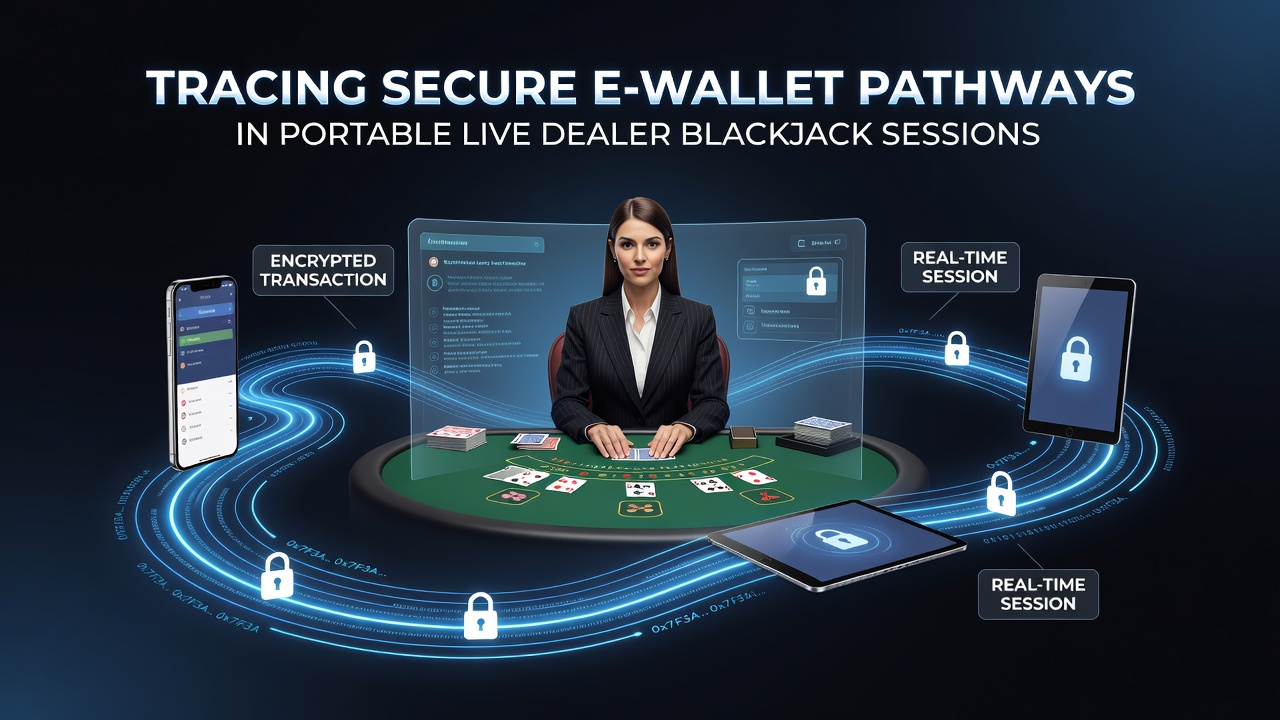
Security teams deploy blockchain-style ledgers alongside traditional databases to record every step an e-wallet transaction takes, and these records allow reconstruction of pathways when anomalies surface during live play. Software agents embedded in mobile applications capture metadata such as IP addresses, device fingerprints, and timestamp sequences that together form a traceable map of each payment event.
Industry reports from groups like the European Gaming and Betting Association indicate that adoption of these tracing systems increased notably between 2024 and 2026, driven by the need to meet cross-border compliance demands while supporting the growth of portable live dealer offerings. What's interesting is how these systems integrate with existing casino management platforms without requiring complete infrastructure overhauls.
Case Examples from Operational Environments
Take one major platform that implemented enhanced pathway monitoring in early 2026 and subsequently reported a measurable drop in disputed transactions related to mobile blackjack sessions, according to internal metrics shared with regulators. Another operator partnered with academic researchers to test quantum-resistant encryption on select e-wallet routes, revealing that legacy systems could transition gradually without interrupting service continuity.
Figures from regulatory filings show that jurisdictions outside the UK, such as those in the US state of New Jersey and parts of Europe, continue refining requirements around e-wallet audit trails, and these developments push providers toward more granular logging capabilities. The ball remains in the court of technology vendors to deliver solutions that scale with rising mobile usage volumes.
Future Developments in Pathway Security
Advances in zero-knowledge proofs allow verification of wallet balances without exposing full transaction histories, and developers are incorporating these techniques into mobile blackjack applications to reduce data exposure during live sessions. As portable devices gain more processing power, on-device pathway validation becomes feasible, shifting some verification steps away from centralized servers.
Conclusion
Tracing secure e-wallet pathways in portable live dealer blackjack sessions involves coordinated layers of encryption, regulatory compliance, and technical logging that together ensure transaction integrity across mobile environments. Data from multiple regions shows ongoing refinement of these systems, with July 2026 marking increased emphasis on real-time monitoring capabilities. Observers continue to track how these pathways evolve alongside device and network advancements.