24 Aug 2026
Payment Processors Shape Bonus Claim Dynamics in Mobile Roulette
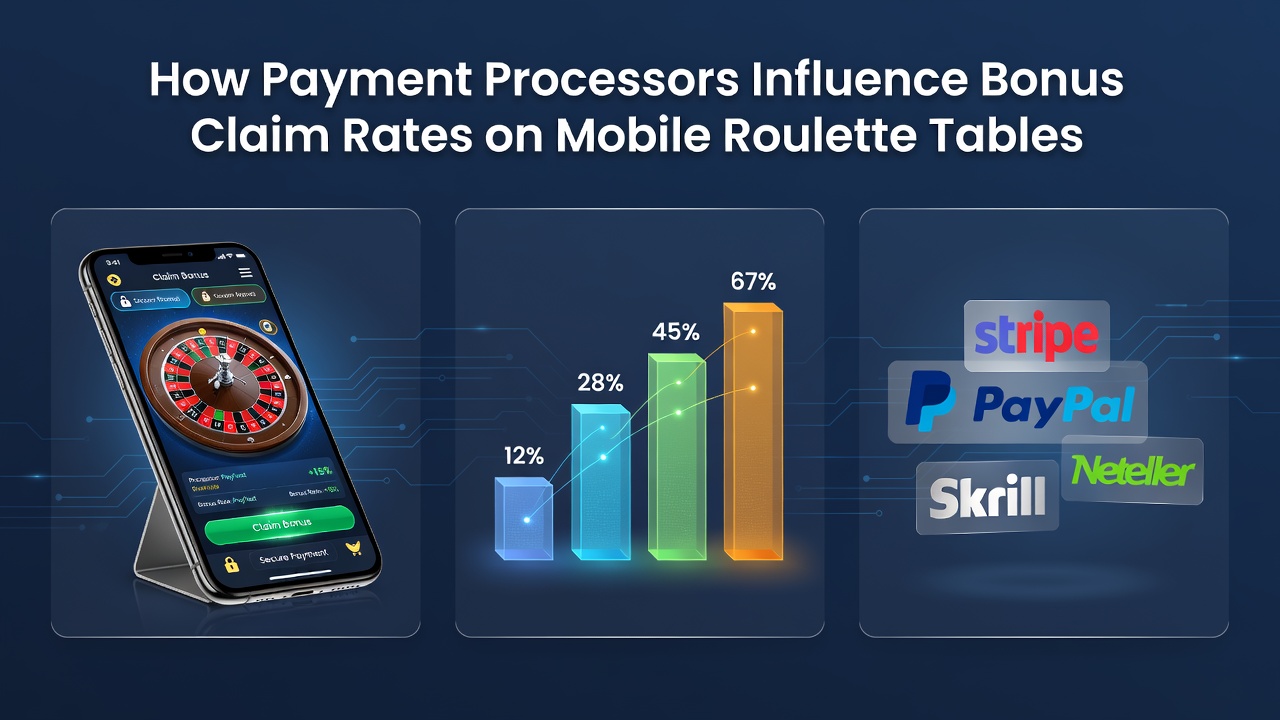
Payment processors serve as the operational backbone for mobile roulette platforms, handling deposits and withdrawals that directly tie into bonus eligibility and redemption processes; platforms integrate these systems to verify transactions before releasing promotional funds, which creates measurable differences in how quickly and successfully players complete claims.
Core Mechanisms Linking Processors to Bonus Activity
Transaction approval speeds vary across providers, and faster authorizations allow bonuses to activate within minutes rather than hours, increasing the likelihood that users finish the required steps before session timeouts occur; slower processors often trigger additional verification layers that delay fund availability and reduce completion rates on time-sensitive roulette promotions.
Fee structures imposed by processors also influence outcomes because certain methods deduct charges that eat into minimum deposit thresholds needed for bonus qualification, prompting players to switch to alternatives or abandon claims altogether when net amounts fall short.
Regional Data Patterns Observed Through 2026
Figures from regulatory filings in multiple jurisdictions show that regions with widespread support for instant bank transfers and digital wallets report higher bonus claim rates on mobile roulette compared to areas reliant on traditional card networks, where processing windows stretch longer and introduce friction; analysts tracking activity through August 2026 noted consistent correlations between processor diversity and redemption percentages across operator dashboards.
One study released by the University of Nevada Reno's gaming research center examined transaction logs from several platforms and found that seamless processor integrations reduced drop-off during bonus activation sequences by streamlining identity checks and fund confirmations into single flows.
Technical Factors Affecting Mobile-Specific Claims
Mobile interfaces amplify processor effects because screen real estate limits the visibility of alternative payment options, leading many users to default to pre-selected methods that may carry hidden delays; applications built with processor APIs that support biometric confirmations cut abandonment rates further by removing manual entry steps that commonly interrupt bonus workflows.
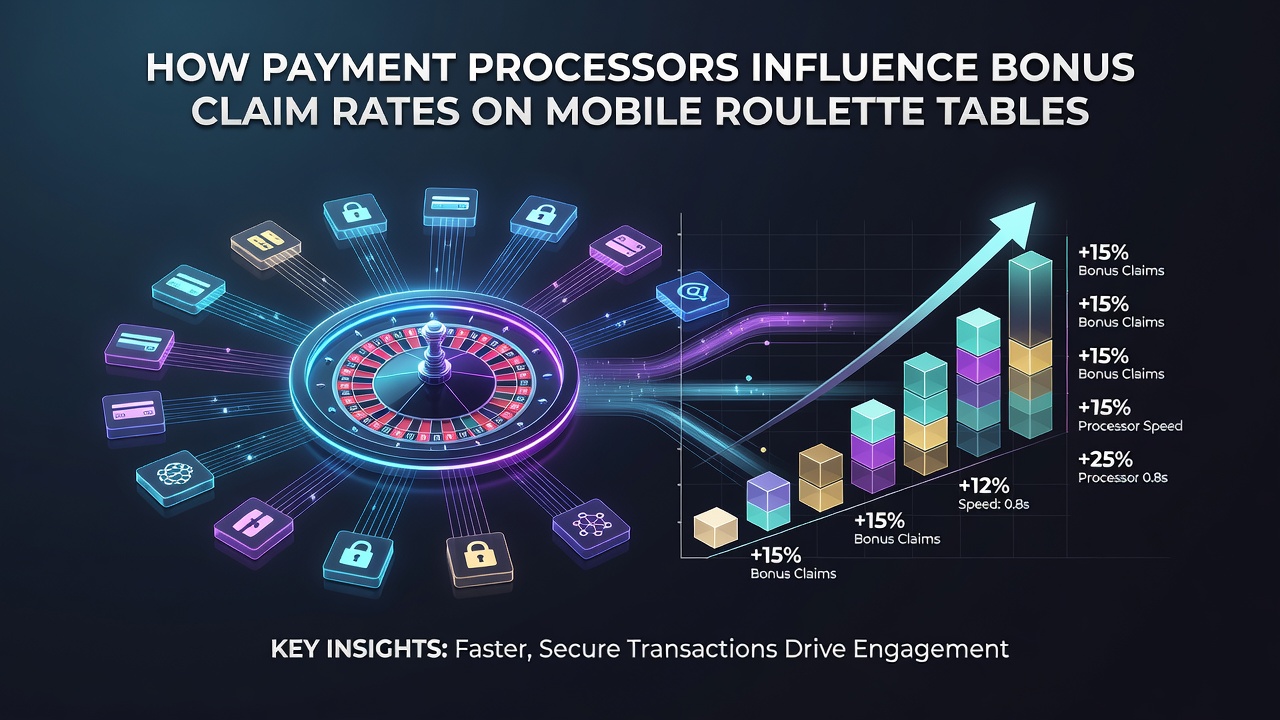
Security protocols embedded in processors add another layer, since enhanced fraud detection sometimes flags legitimate mobile roulette deposits as suspicious and holds funds until manual review, which extends the window between deposit and bonus credit beyond what promotional terms allow.
Examples from Operator Implementations
Operators that expanded processor partnerships to include region-specific solutions observed measurable upticks in bonus engagement, particularly when new methods aligned with local banking habits and reduced cross-border transaction hurdles; data collected during the first half of 2026 indicated these expansions produced steadier claim volumes even during peak mobile traffic periods.
Take one platform that integrated an additional e-wallet popular in parts of Asia and Europe: researchers tracking its metrics documented a clear rise in completed roulette bonus sequences once the new processor removed previous currency conversion delays that had previously blocked qualification.
Regulatory Influences on Processor Choices
Rules set by bodies such as the American Gaming Association and the Australian Communications and Media Authority require processors to maintain audit trails and compliance certifications, which in turn shapes which methods platforms can offer without risking license issues; these requirements indirectly steer bonus structures toward processors that already meet documentation standards, narrowing options for players in regulated markets.
Platforms operating under multiple licenses must balance these constraints while still optimizing for mobile roulette traffic, resulting in varied claim success rates depending on the user's location and chosen processor.
Conclusion
Payment processors continue to determine the practical ease of bonus claims on mobile roulette tables through their combined impact on speed, cost, compatibility, and compliance, with observable patterns emerging from operational data collected across different markets into 2026 and beyond. Operators that align processor selections with user preferences and regulatory demands consistently record stronger engagement metrics in this segment.