13 Jun 2026
Platform Barriers in Mobile Crypto Poker Tournaments
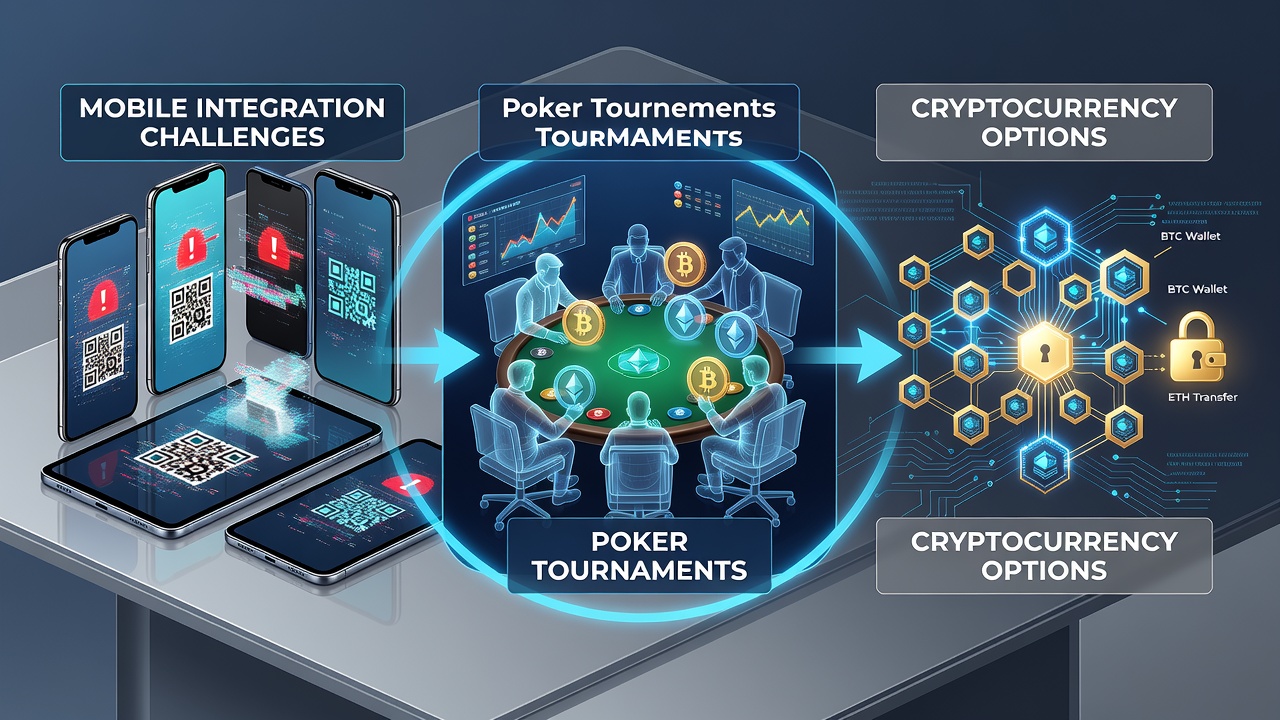
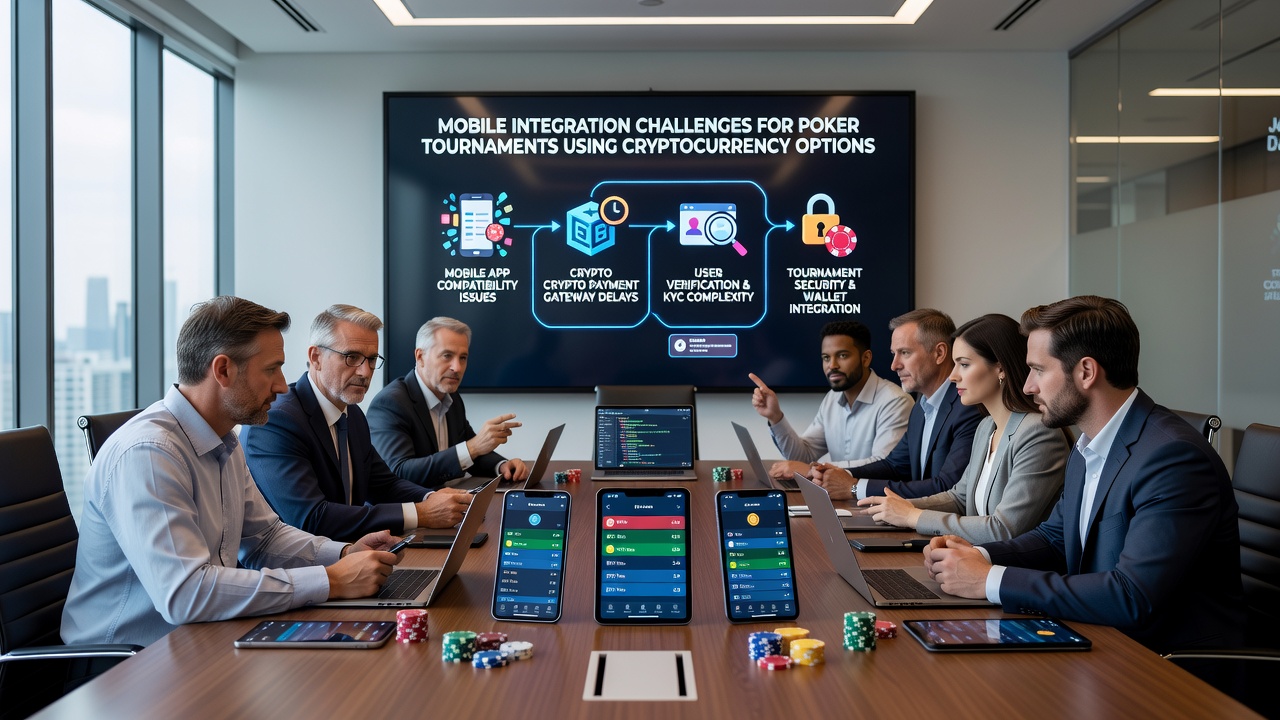
Platform compatibility stands as a primary concern when operators attempt to merge mobile applications with cryptocurrency payment systems for poker tournaments, since device fragmentation across iOS and Android ecosystems creates inconsistent wallet connectivity and transaction processing speeds. Research from industry reports indicates that latency issues often arise during peak tournament hours when thousands of players simultaneously verify blockchain transactions on mobile networks with variable signal strength.
Wallet Connectivity and App Store Policies
App store guidelines from major platforms impose restrictions on cryptocurrency features, which forces developers to implement workarounds such as external browser redirects for wallet approvals while maintaining seamless in-app experiences. Observers note that these redirects frequently lead to session drops during critical betting rounds, particularly in high-stakes events where timing affects pot decisions and player rankings.
Security protocols add another layer of complexity because mobile devices store private keys in environments vulnerable to malware and phishing attempts, whereas desktop setups allow more robust hardware wallet pairings. Data from regulatory analyses shows increased incident reports tied to mobile crypto poker apps in regions with high smartphone penetration rates.
Network Reliability During Live Events
Tournament structures demand uninterrupted connectivity for real-time chip updates and cryptocurrency balance verifications, yet mobile networks experience congestion in large venues hosting simultaneous events. Experts have observed that 5G rollout helps mitigate some delays, but coverage gaps persist in international locations where poker circuits travel.
Volatility in cryptocurrency values presents unique challenges for prize pools denominated in digital assets, since mobile users face fluctuating exchange rates between buy-in confirmation and payout distribution. Studies indicate that operators increasingly use stablecoin options to stabilize these values, although adoption rates vary by jurisdiction and player preference.
Regulatory Variations Across Regions
Legal frameworks differ significantly between markets, with some jurisdictions requiring specific licensing for crypto transactions on mobile platforms while others focus on consumer protection measures around digital asset custody. A report from the European Gaming and Betting Association highlights ongoing efforts to standardize mobile crypto integration guidelines ahead of expanded tournament calendars.
By June 2026, several major circuits plan to test hybrid models that combine traditional fiat rails with crypto options on dedicated tournament apps, allowing participants to select preferred payment methods at registration. Those who've studied these pilots note improved retention when apps support multiple wallet providers without forcing users through lengthy verification sequences.
User Experience and Battery Considerations
Battery consumption spikes during prolonged tournament sessions because constant blockchain queries and push notifications drain resources faster than standard gaming apps. Research indicates that optimized background processes and selective sync features help address this drain, yet players still report devices overheating during extended multi-table events on mobile.
Interface design must accommodate smaller screens while displaying essential elements like pot odds, player stacks, and crypto balance updates without overwhelming users. Developers often employ progressive web app technology to bridge gaps between native apps and browser-based access, though this approach introduces its own compatibility hurdles across operating system versions.
Scalability for Growing Participation
As participation numbers rise in crypto-enabled mobile tournaments, backend systems must handle increased transaction volumes without compromising speed or accuracy. Industry data reveals that distributed ledger technologies require careful scaling strategies to avoid bottlenecks during final table stages when prize distributions occur rapidly.
Training for tournament staff on troubleshooting mobile crypto issues becomes essential, since support teams field queries ranging from wallet synchronization failures to network timeout errors. Programs that incorporate real-time diagnostics within the app itself show measurable reductions in resolution times according to operational reviews.
Conclusion
Mobile integration for cryptocurrency poker tournaments continues to evolve through technical refinements and regulatory adaptations, with operators focusing on secure wallet connections, stable network performance, and user-friendly interfaces to support broader adoption. Continued collaboration between technology providers, gaming associations, and regional authorities supports smoother implementations across diverse markets.