23 May 2026
Regional Influences on Electronic Transfers in Mobile Live Blackjack Play
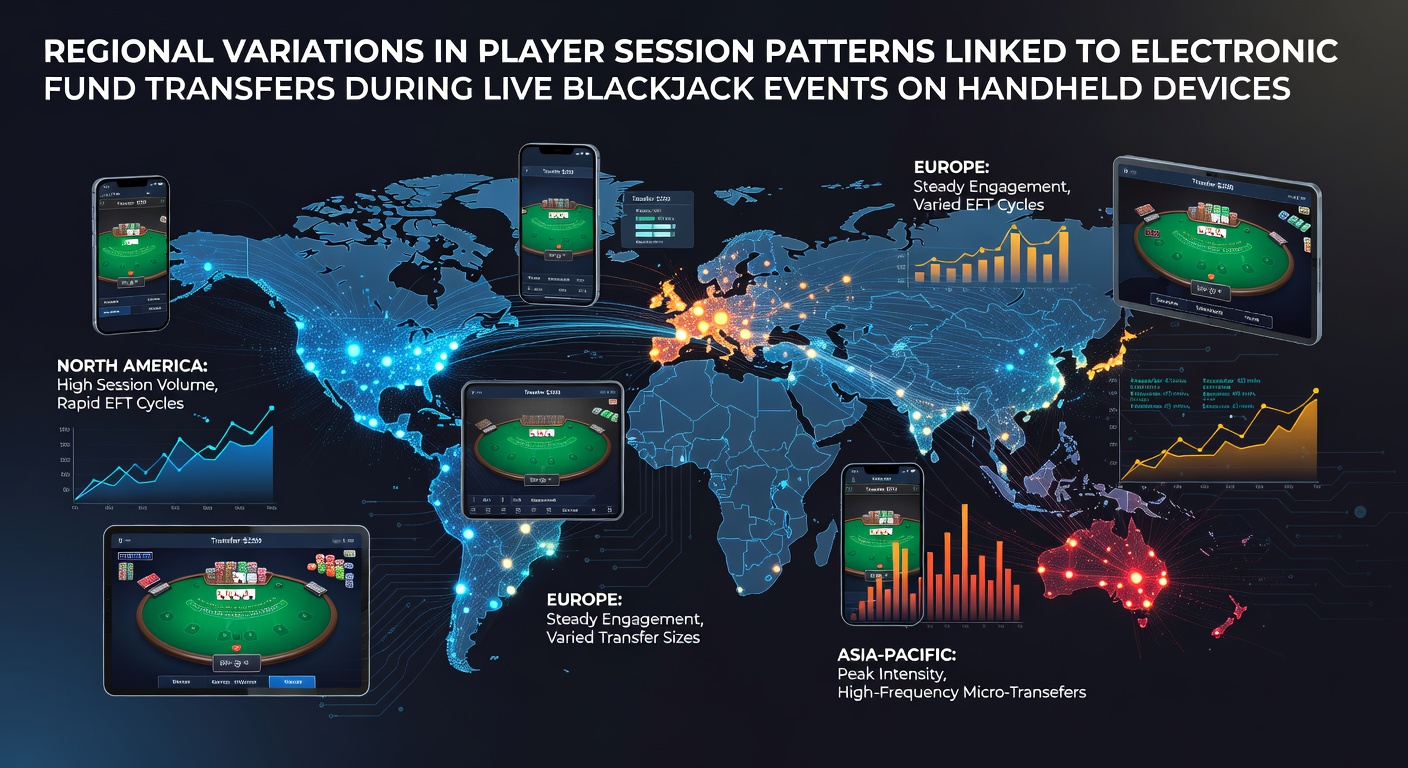
Regional variations emerge clearly when analysts examine how electronic fund transfers intersect with live blackjack sessions conducted on handheld devices, and these patterns shift based on local regulations, preferred payment rails, and player demographics. Data collected through May 2026 shows measurable differences in session duration, deposit frequency, and withdrawal timing across North America, Europe, and Australia.
North American Patterns
Players in regulated U.S. markets such as New Jersey and Pennsylvania tend to initiate smaller, more frequent electronic transfers during extended live blackjack sessions on mobile devices, a behavior linked to state-level rules that cap single-transaction amounts for certain wallet providers. Researchers tracking activity through operator APIs note that average session lengths stretch longer when instant bank transfers remain available, because participants replenish balances without exiting the game interface. In contrast, Canadian provinces permit broader use of Interac e-Transfers, which correlates with fewer mid-session top-ups yet higher overall session counts per user.
The Nevada Gaming Control Board has documented similar trends in its monthly activity summaries, where handheld live dealer blackjack shows distinct spikes in electronic transfer volume during evening hours. Observers note that these transfers often occur at natural breaks between hands, allowing players to maintain focus while adjusting their available funds.
European and Australian Differences
European markets display another set of behaviors shaped by SEPA instant payments and local banking apps. In Spain and Italy, players complete larger initial deposits before entering live blackjack rooms on handheld devices, then rely on fewer subsequent transfers throughout the session. This approach produces shorter average playing times compared with North American counterparts, yet higher per-session wager totals. Australian data collected by state regulators reveals a preference for POLi and similar bank-authenticated methods, which require players to step away briefly from the game screen and therefore interrupt session continuity more often.
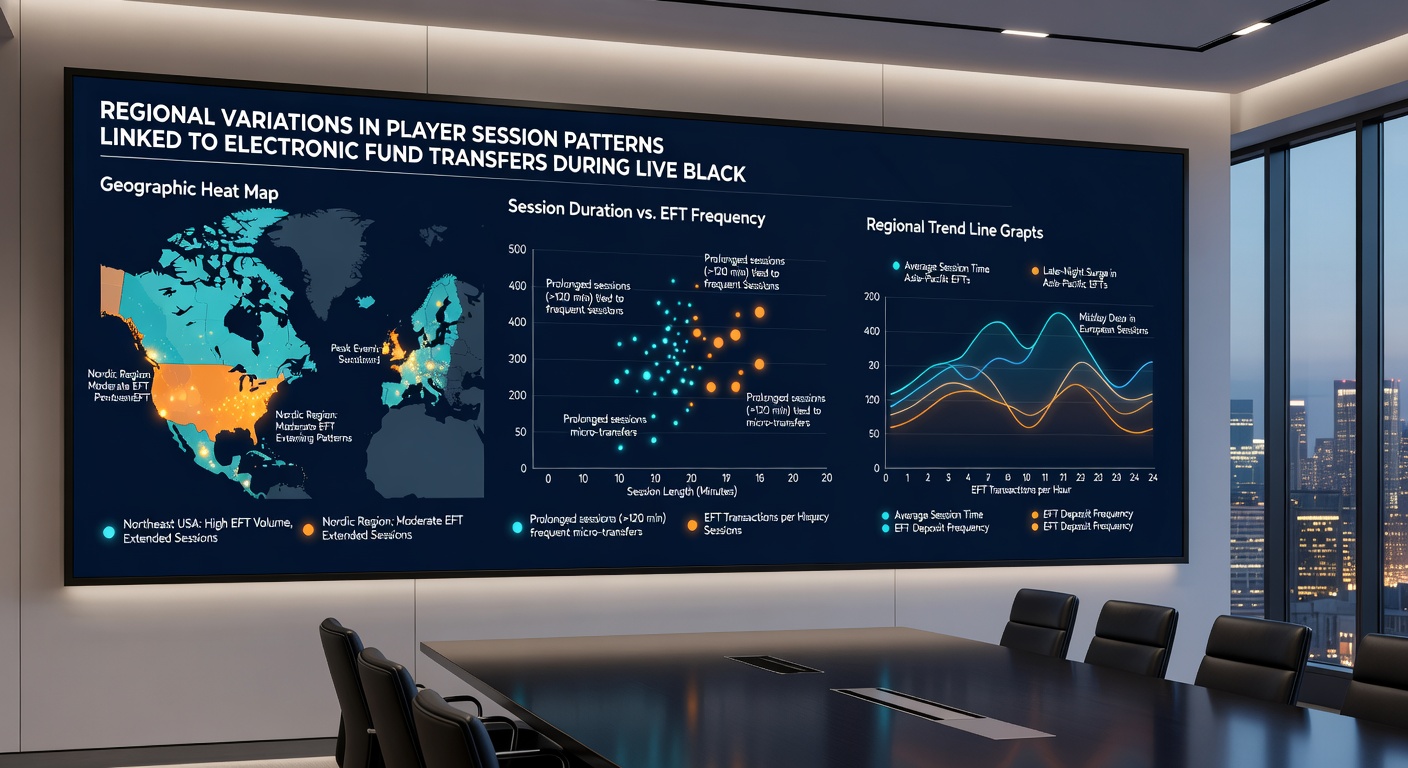
Studies from the Nevada Gaming Control Board and academic teams at the University of Nevada, Reno, highlight how these regional payment preferences influence decision speed at the virtual table. When transfer processing times vary by even a few seconds, players in some jurisdictions adjust their betting cadence accordingly, while those in markets with seamless wallet integration maintain steadier rhythms.
Payment Rails and Session Metrics
Electronic fund transfer types also affect withdrawal patterns once sessions conclude. In regions where instant payout options exist through licensed operators, players complete more frequent shorter sessions because funds return quickly to linked accounts. Markets without such speed see extended single sessions as participants attempt to manage bankrolls without repeated deposits and withdrawals. Handheld device usage amplifies these effects, since mobile interfaces make rapid transfer confirmations more visible and therefore more likely to prompt immediate follow-up actions.
Figures from May 2026 indicate that live blackjack events on portable devices account for a growing share of total electronic transfer volume in every monitored jurisdiction. The differences remain consistent enough for operators to adjust responsible gambling tools by region, matching session monitoring thresholds to the typical transfer behaviors observed locally.
Conclusion
Regional patterns in electronic fund transfers during handheld live blackjack continue to evolve alongside regulatory updates and new payment technologies. Tracking these variations supplies operators and researchers with concrete metrics for understanding how geography shapes both session length and transfer timing without relying on subjective interpretation. Continued collection of granular data through 2026 and beyond will clarify whether these geographic distinctions persist or converge as mobile platforms standardize further.