5 Aug 2026
Retention Dynamics in Online Gambling: The Role of Immediate Payout Technologies
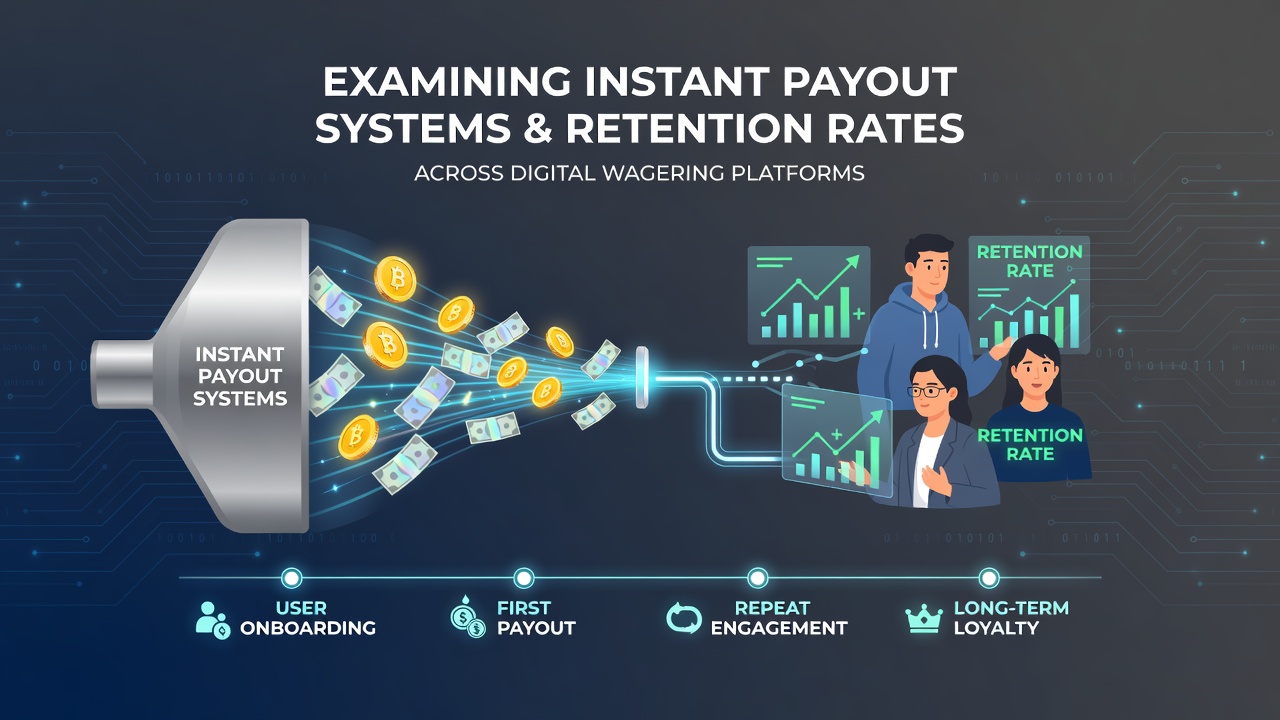
Instant payout systems allow players to receive winnings within minutes rather than days, and data from multiple markets shows these features correlate with measurable shifts in how long users remain active on platforms. Researchers tracking behavior across several jurisdictions have documented that platforms offering same-day or real-time withdrawals often record higher repeat login rates and longer account lifespans compared with those relying on traditional processing times.
Defining Instant Payout Mechanisms
These systems rely on integrated payment rails such as e-wallets, instant bank transfers, and in some regions cryptocurrency networks that clear funds almost immediately after a withdrawal request receives approval. The technical setup requires partnerships between operators and payment providers that maintain 24-hour verification teams, and the result is a reduction in the interval between a player's cash-out request and the appearance of funds in their chosen account. Observers note that this speed removes one common friction point that previously prompted users to abandon accounts after a single large win.
Retention Patterns Observed in Recent Data
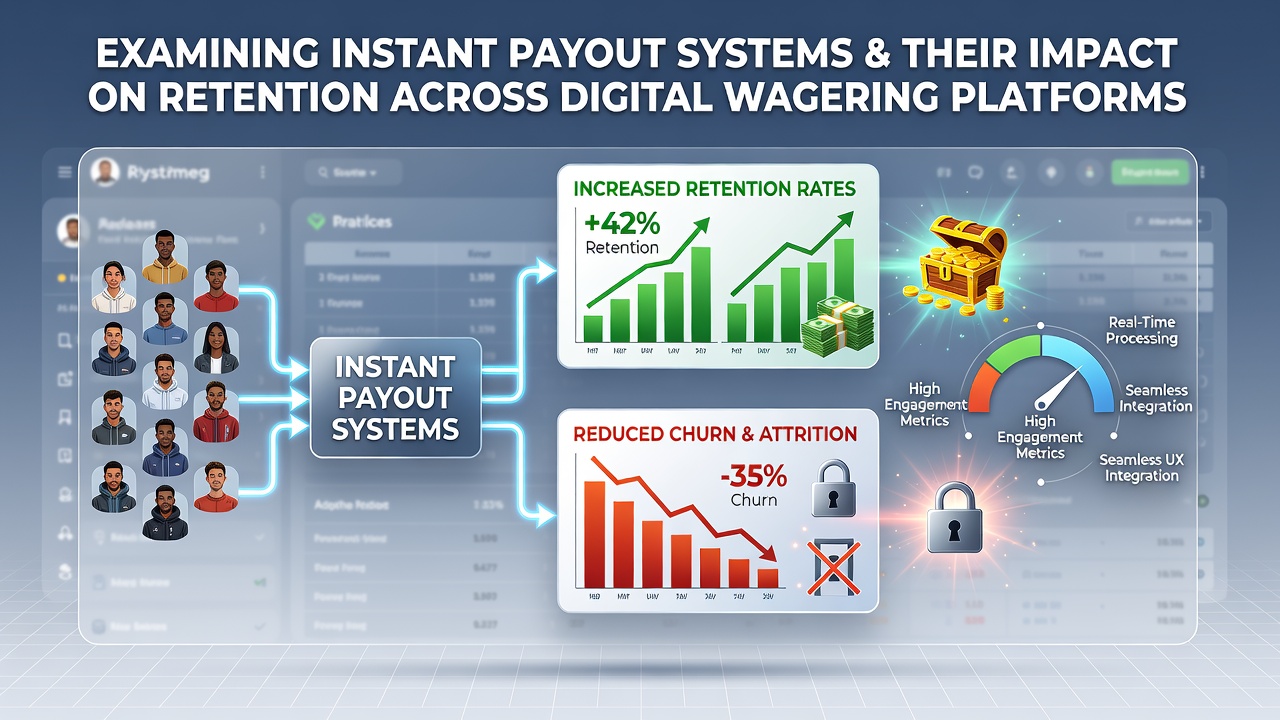
Figures compiled by industry analysts covering the first half of 2026 indicate that platforms introducing instant options saw average monthly active user retention climb by double-digit percentages within six months of rollout. In parallel, churn rates dropped most sharply among players who had completed at least three withdrawals, suggesting the benefit compounds once users experience the speed firsthand. A report issued by the Gambling Research Exchange Ontario highlighted similar trends in regulated Canadian markets, where operators that adopted real-time processing recorded longer session frequencies per retained account.
Regional Variations Emerging by August 2026
By August 2026, European operators using SEPA instant credit transfers reported retention curves that remained flatter over 12-month periods than those still dependent on batch processing, while Australian sites leveraging POLi and similar instant bank methods recorded comparable improvements. In the United States, states such as New Jersey and Pennsylvania have seen licensed platforms promote instant options through approved vendors, and early state-level summaries suggest elevated 90-day return rates among users who accessed the feature. The pattern holds across both sports betting and casino verticals, although the magnitude differs by product type and average stake size.
Behavioral Mechanisms at Work
Players who receive funds quickly tend to re-deposit portions of those winnings at higher rates, according to aggregated transaction logs examined by academic researchers at the University of Nevada, Las Vegas. The immediate availability of cash appears to reinforce a sense of platform reliability, which in turn reduces the likelihood that users will migrate to competitors after a payout delay. Those who studied player cohorts also point out that trust built through fast withdrawals extends beyond the transaction itself, influencing decisions about which promotional offers to accept and how frequently accounts receive funding.
Operational Considerations for Platforms
Implementing these systems requires operators to maintain higher liquidity reserves and to integrate fraud-detection tools that operate in real time rather than batch mode. Payment providers charge different fee structures for instant rails, and those costs must be balanced against the revenue gains from sustained user activity. Several major platforms have chosen to absorb part of the fee difference for players above a certain loyalty tier, while others pass a modest charge only on the fastest options, creating a menu of payout speeds that users can select according to urgency.
Regulatory and Compliance Factors
Regulators in multiple jurisdictions now require clear disclosure of payout timeframes, and some licensing bodies track average fulfillment speeds as part of ongoing compliance reviews. Platforms that advertise instant options must demonstrate the capability to deliver consistently, because repeated failures can trigger both player complaints and regulatory scrutiny. Data from the New Jersey Division of Gaming Enforcement shows that operators meeting advertised speeds maintain stronger compliance records and encounter fewer account disputes related to delayed funds.
Conclusion
Evidence gathered through 2026 demonstrates that instant payout capabilities influence retention metrics across digital wagering environments by shortening the time between winning and accessing funds. Platforms that integrate these systems while managing liquidity and compliance requirements record measurable improvements in repeat engagement and account longevity. Continued monitoring by regulators and researchers will clarify how these trends evolve as more operators adopt the technology and as payment rails continue to advance.