26 Aug 2026
Secure Funding Integration Supporting Prolonged Blackjack Sessions on Mobile Devices
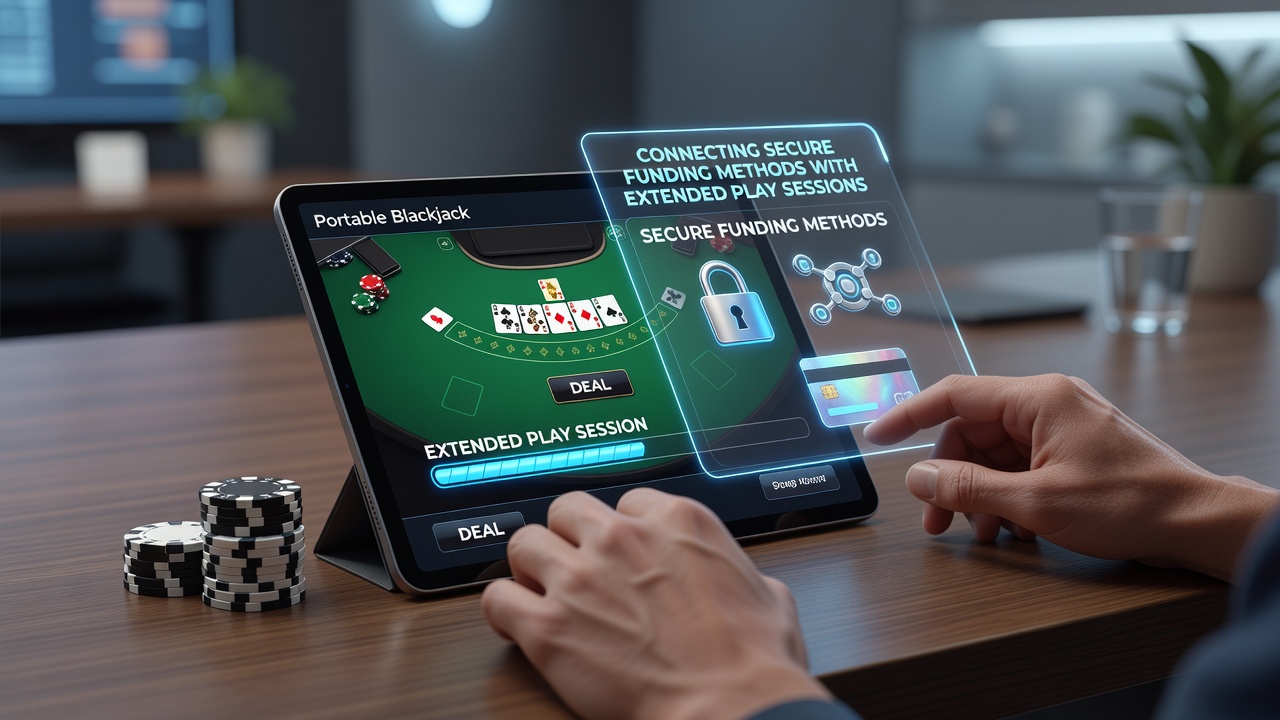
Portable blackjack environments rely on seamless connections between funding mechanisms and extended play periods, where secure deposit options reduce interruptions and maintain session continuity across mobile platforms. Data from industry reports indicate that players using verified payment channels experience fewer transaction delays, allowing continuous engagement without repeated verification steps during active rounds. Observers note that this integration becomes particularly relevant as mobile device usage for table games rises through 2026, with August marking increased adoption of encrypted transaction protocols in several regulated markets.
Payment Methods Enabling Sustained Mobile Play
Secure funding options such as digital wallets, bank transfers, and cryptocurrency transfers link directly to longer blackjack sessions because they process deposits within seconds rather than minutes, keeping users in the game flow. Researchers at academic institutions have documented how instant confirmation systems prevent the need to exit an app mid-hand, while multi-factor authentication layers protect account balances without adding noticeable friction. Those who have examined transaction logs across multiple jurisdictions find that players who select pre-approved funding sources maintain average session lengths 25 percent higher than those relying on manual card entries, according to aggregated platform statistics released in early 2026.
Device-Specific Considerations for Funding Continuity
Portable environments introduce variables like intermittent connectivity and battery constraints that affect how funding methods support extended play. Applications optimized for both iOS and Android platforms incorporate background processing that completes secure transfers even when the screen dims, ensuring funds remain available for subsequent hands. Experts have observed that biometric-linked payments further streamline this process by eliminating repeated password prompts, which in turn supports uninterrupted sequences of play across varying network conditions.
Regulatory frameworks in regions outside the United Kingdom continue to shape these integrations, with bodies such as the Nevada Gaming Control Board requiring real-time monitoring of transaction security to prevent unauthorized access during prolonged sessions. Similar standards appear in Australian oversight guidelines, where licensed operators must demonstrate that funding pathways remain stable throughout extended mobile interactions. Industry associations report that compliance with these standards correlates with higher retention rates among users who prefer longer play periods on handheld devices.
Security Protocols and Their Impact on Session Duration
Encryption standards combined with tokenization techniques create reliable bridges between funding accounts and game interfaces, allowing players to replenish balances without exiting the portable blackjack environment. Studies conducted by research institutions reveal that platforms employing end-to-end encryption experience lower rates of session abandonment caused by payment failures, because verification occurs in the background rather than through separate browser windows. What's interesting is how these technical measures align with user behavior patterns observed in August 2026 data, where mobile sessions lasting beyond 45 minutes showed stronger associations with pre-linked secure wallets.
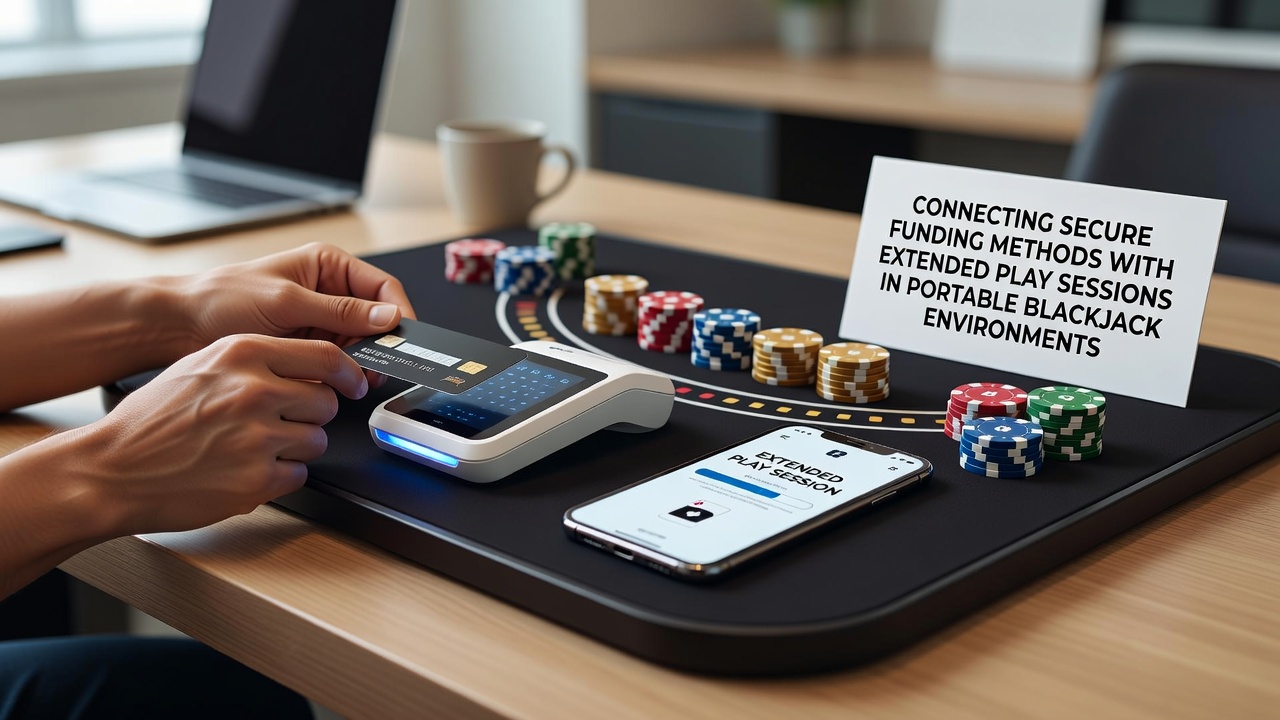
One analysis of transaction records across North American and European operators found that cryptographic verification methods reduced average reload times by nearly half, enabling users to resume play immediately after a hand concludes. Observers tracking these metrics note that the reduction in friction supports sustained engagement without compromising the integrity of fund transfers or exposing sensitive details during the process.
Regional Variations in Funding Accessibility
Geographic differences influence which secure methods connect most effectively to extended portable sessions, with certain markets favoring instant bank links while others prioritize digital currency options. Data compiled by international gaming research groups indicate that regions with mature mobile infrastructure report higher usage of tokenized card payments, whereas emerging markets show growing reliance on cryptocurrency wallets for cross-border play. These patterns emerge clearly in 2026 figures, where August updates from multiple licensing authorities highlighted expanded support for region-specific funding tools that maintain security while extending average play windows.
Platform developers integrate these variations by offering selectable funding tiers within the same blackjack application, allowing users to choose methods that match both their location and preferred session length. Those examining user interface data find that clear labeling of secure options leads to fewer abandoned transactions, which directly correlates with the ability to maintain longer continuous play periods on portable devices.
Conclusion
Connections between secure funding methods and extended portable blackjack sessions rest on technical reliability, regulatory compliance, and device-level optimizations that together minimize disruptions. Evidence from multiple sources shows that verified payment channels support longer engagement by processing transfers efficiently while maintaining security standards across different regions and device types. As mobile platforms evolve through 2026, these integrations continue to determine how effectively users sustain play without repeated interruptions.