19 Aug 2026
Shifting Preferences in Live Casino Deposit Options: An Analysis of Recent Patterns
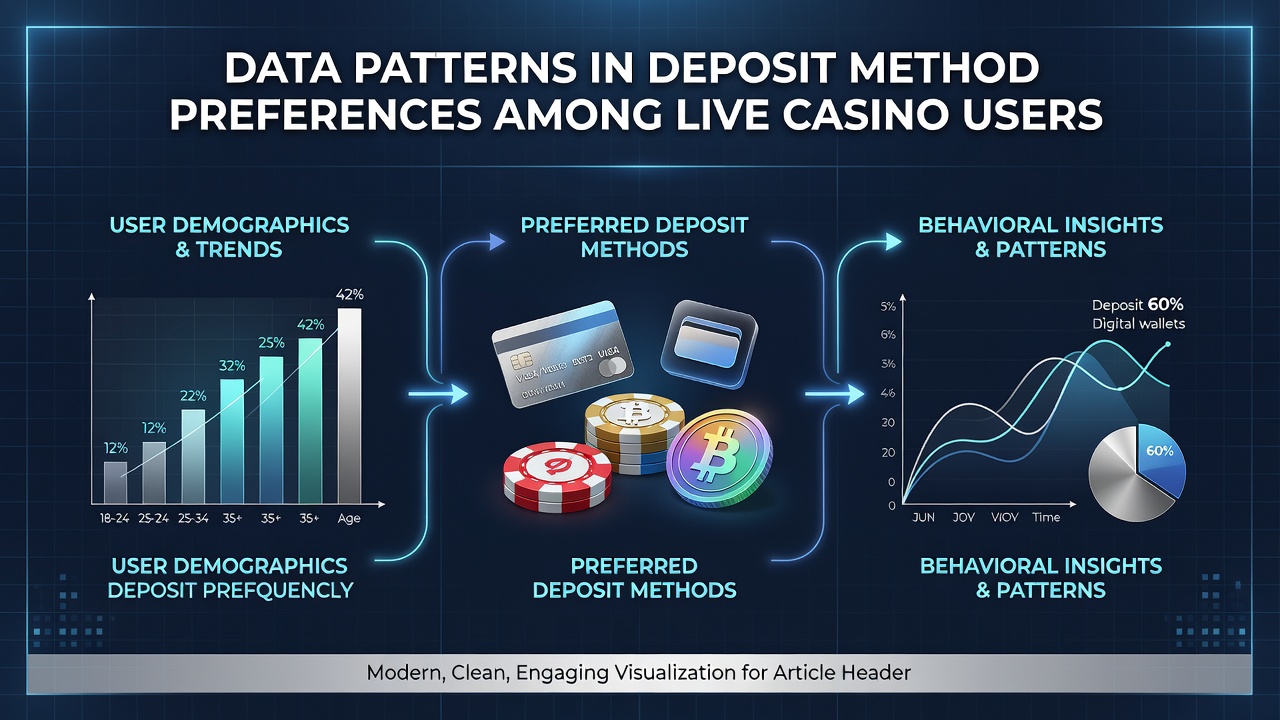
Live casino platforms have recorded steady shifts in how users choose to fund their accounts, with payment preferences evolving alongside technological changes and regulatory adjustments across multiple regions. Data collected through industry tracking services shows that traditional credit and debit card transactions still account for a significant portion of deposits, yet alternative methods such as e-wallets and cryptocurrency transfers have gained measurable ground in the same period. Observers note that these patterns appear most clearly when segmented by user demographics, device type, and geographic location, revealing clusters of preference that operators monitor closely to optimize their payment infrastructure.
Common Deposit Methods and Their Usage Rates
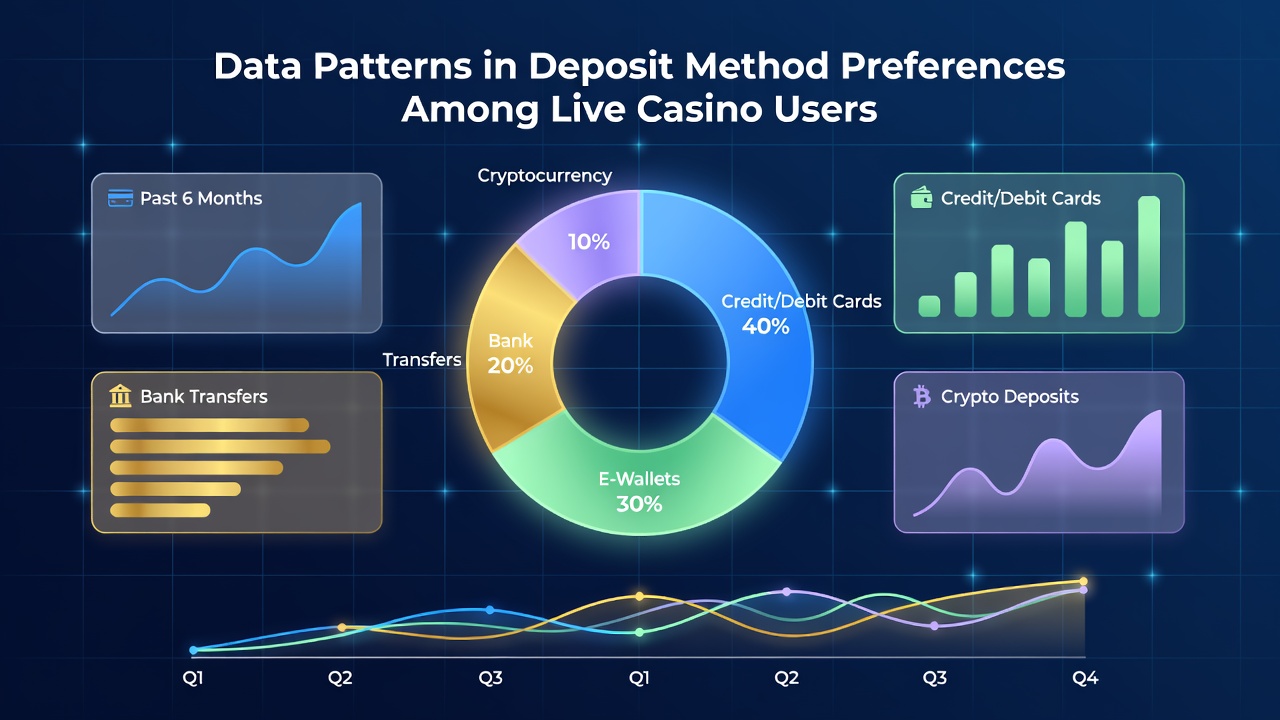
Payment card transactions continue to dominate in many markets because of widespread familiarity and straightforward processing, while e-wallet services like PayPal and Skrill attract users who value faster withdrawals and reduced sharing of banking details. Bank transfers remain popular for larger amounts, particularly among players who prioritize security over speed. Studies compiled by regional gaming associations indicate that the balance among these options fluctuates seasonally, with spikes in e-wallet activity often coinciding with promotional campaigns that highlight instant deposits.
Researchers tracking transaction volumes have identified consistent growth in digital wallet adoption since 2024, driven partly by integration improvements on mobile applications. Cryptocurrency deposits, though still representing a smaller share overall, demonstrate accelerated uptake in jurisdictions where regulatory clarity has improved, allowing platforms to offer Bitcoin and Ethereum options without friction. Figures from the first half of 2026 suggest this segment expanded by double-digit percentages in several monitored markets, reflecting broader interest in decentralized payment rails among tech-savvy user groups.
Regional Variations in Payment Choices
European markets display pronounced differences compared with North American and Asia-Pacific regions, where local banking regulations and cultural attitudes toward digital finance shape distinct patterns. In parts of Scandinavia and the Baltic states, instant bank transfer solutions integrated with national payment systems handle a large percentage of live casino activity, whereas users in Australia and Canada show stronger reliance on credit cards combined with prepaid voucher systems. Data compiled by the Victorian Responsible Gambling Foundation highlights how these regional preferences correlate with average session lengths and deposit frequencies, providing operators with actionable benchmarks for tailoring their checkout flows.
North American states that have legalized online casino play report higher cryptocurrency experimentation rates than many European counterparts, partly because younger demographics overlap with early adopters of blockchain technology. Meanwhile, Latin American markets exhibit rapid growth in mobile money services, reflecting the prevalence of smartphone-based financial tools in everyday commerce. These geographic distinctions underscore why payment providers often customize their offerings rather than applying uniform solutions across all territories.
Mobile Influence and Emerging Trends
Mobile devices now facilitate the majority of live casino deposits in most tracked regions, prompting developers to streamline interfaces for smaller screens and integrate biometric authentication. This shift coincides with rising use of buy-now-pay-later services in some markets, although regulatory scrutiny has tempered expansion in others. What's interesting is how these mobile-first patterns align with shorter, more frequent deposit events rather than large one-time transfers, a behavior researchers link to in-play betting features that encourage ongoing engagement.
During August 2026, transaction logs from multiple platforms revealed a noticeable uptick in contactless and QR-code payment methods, coinciding with broader retail adoption of similar technologies. Industry reports from the Canadian Gaming Association indicate that these methods reduce friction for users who previously abandoned deposits midway through lengthy card-entry processes. Observers note that platforms incorporating these options early saw measurable retention improvements among mobile users, while legacy methods retained strength on desktop interfaces.
Security and Regulatory Factors
Security concerns continue to influence method selection, with users gravitating toward options that offer built-in fraud protection and two-factor confirmation. Regulatory frameworks in various jurisdictions now mandate enhanced verification for certain payment types, which has slowed adoption of some newer services while accelerating others that already comply with know-your-customer standards. Evidence gathered by the European Gaming and Betting Association shows that platforms investing in seamless compliance tools experience fewer deposit drop-offs compared with those requiring multiple manual steps.
Those who've examined longitudinal data observe that trust signals, such as visible licensing badges and clear fee disclosures, correlate strongly with conversion rates across all deposit categories. Yet preferences still vary by amount, with smaller recreational deposits favoring speed and larger ones emphasizing verification layers. This segmentation helps explain why operators maintain diverse payment portfolios rather than consolidating around single solutions.
Conclusion
Patterns in deposit method preferences among live casino users reflect an interplay of technological convenience, regional regulation, and demographic factors that continue to evolve. Tracking services document ongoing diversification away from singular reliance on cards toward a broader mix that includes e-wallets, bank transfers, and cryptocurrencies, each serving distinct user needs. As mobile integration deepens and regulatory environments stabilize, the data indicate that platforms maintaining flexible, localized payment options position themselves to accommodate shifting behaviors without disrupting existing player bases. Continued monitoring through 2026 and beyond will clarify whether current trends consolidate or give way to newer entrants in the payment landscape.