10 Jun 2026
Tracing the Evolution of Transaction Methods in Portable Gaming Environments
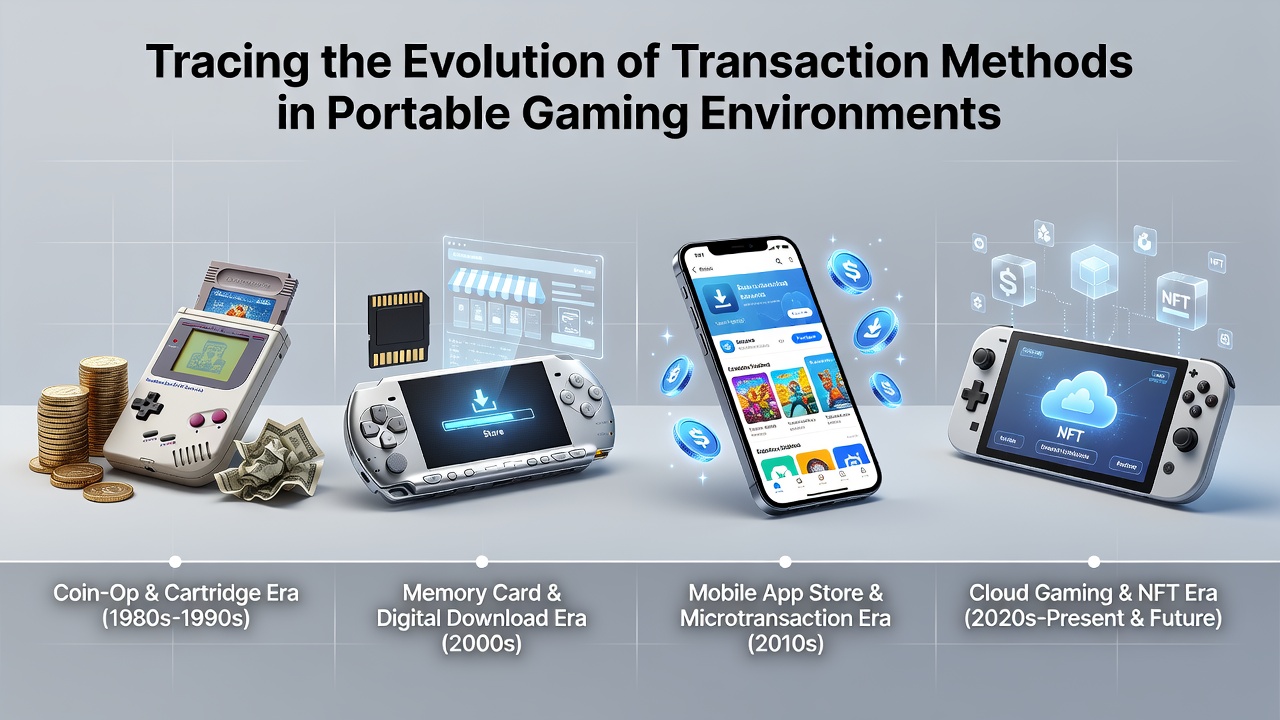 Portable gaming has shifted dramatically over decades as transaction methods moved from physical exchanges to seamless digital flows. Early handheld systems relied on buying cartridges outright in stores, whereas modern environments support instant purchases, subscriptions, and integrated payment systems that operate across devices. Observers note this progression mirrors broader changes in consumer technology and payment infrastructure.
Physical Media and Direct Purchases in Early Portables
Handheld consoles like the Game Boy and its successors required users to purchase game cartridges through retail channels, with payments handled via cash or credit cards at physical locations. Data from industry analyses shows that cartridge production and distribution dominated the market through the 1990s and early 2000s, creating straightforward but limited transaction models tied to manufacturing cycles. Those who collected these devices often found that ownership meant acquiring physical items repeatedly for each new title.
Arcade-style portable units sometimes incorporated coin mechanisms or token systems borrowed from larger machines, adding another layer of direct currency exchange before gameplay began. Research indicates this approach kept transactions visible and immediate, though it restricted access for players without nearby retail outlets or change for machines.
The Move Toward Digital Downloads on Handhelds
With the introduction of systems featuring internal storage and wireless connectivity, transaction methods expanded to include direct downloads from manufacturer servers. Nintendo's Wii and later 3DS models introduced online marketplaces where users could buy and download games using credit cards or prepaid cards purchased separately. Studies from academic institutions have tracked how these platforms reduced reliance on physical stock while introducing account-based purchases that linked payments to user profiles.
PSP and similar devices followed comparable paths, with Sony establishing digital stores that accepted various payment instruments. Figures reveal a steady increase in digital sales as broadband access grew, allowing players to complete transactions without leaving home. This period marked the beginning of recurring revenue streams through downloadable content expansions sold separately from base games.
Mobile Devices and the Rise of In-App Systems
Smartphones transformed portable gaming environments by embedding app stores directly into operating systems, with Apple and Google establishing frameworks that handled payments through linked bank accounts or stored payment methods. In-app purchases emerged as a primary model, enabling microtransactions for virtual items, levels, and currency within free-to-play titles. Government reports from regions including Australia document how these systems scaled rapidly after 2010, supported by improved mobile networks and secure payment gateways.
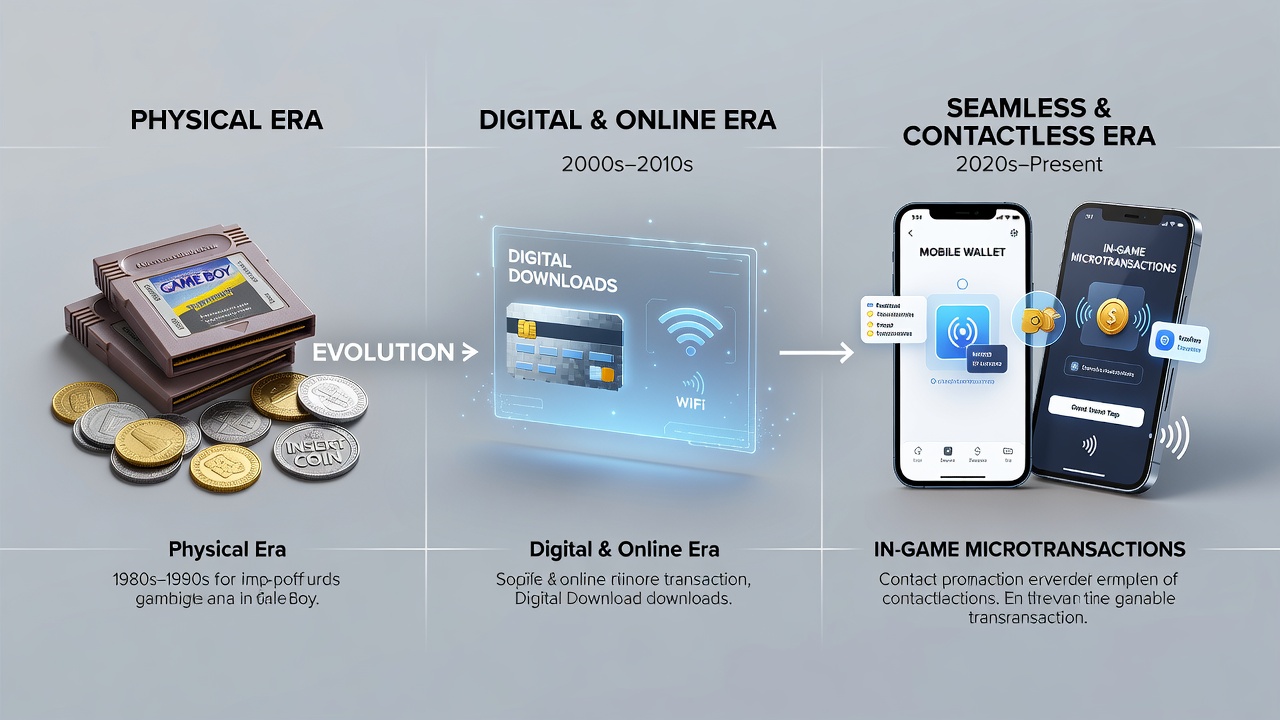
Payment methods diversified further with the integration of carrier billing options and digital wallets, allowing charges to appear on monthly phone bills or transfer instantly from linked accounts. Research from Canadian universities highlights regional variations where different regulatory environments influenced available options, such as restrictions on certain loot box mechanics in some jurisdictions. By June 2026, many platforms had incorporated additional verification layers for younger users to comply with updated consumer protection standards across multiple countries.
Subscription Models and Cross-Platform Integration
Subscription services gained traction as portable gaming expanded to cloud-based streaming on tablets and phones, with payments processed monthly through recurring authorizations. Services tied to specific hardware ecosystems or third-party providers collect fees upfront and grant access to libraries of titles without individual purchase events. Industry organizations report that these models now coexist with one-time buys and consumable transactions, creating layered revenue approaches for developers.
Cross-device play introduced unified accounts where transaction histories follow users across consoles, phones, and PCs. Payment processors adapted by supporting region-specific methods, including localized e-wallets popular in parts of Asia and Latin America. Data shows this flexibility helped maintain growth even as economic conditions varied globally.
Security Developments and Emerging Technologies
Transaction security evolved alongside payment methods, with tokenization and biometric authentication replacing repeated entry of card details in many portable environments. Regulatory bodies in the European Union have issued guidelines that shaped how platforms verify transactions and protect user data during mobile gaming sessions. Academic papers on digital economies note the adoption of these measures reduced certain fraud categories while maintaining transaction speed.
Explorations into blockchain-based payments and cryptocurrencies appear in limited gaming contexts, though mainstream adoption remains gradual due to volatility and regulatory scrutiny. Those monitoring the sector observe continued testing of these options alongside established methods like credit cards and direct bank transfers.
Conclusion
The evolution of transaction methods in portable gaming environments reflects ongoing adaptation to technological capabilities and consumer expectations. Physical purchases gave way to digital storefronts, which then incorporated microtransactions, subscriptions, and integrated wallets that operate across devices. As platforms refine these systems through June 2026 and beyond, data from diverse regulatory and research sources continues to document shifts toward greater accessibility and security in how players acquire and engage with games on the go.